.svg)
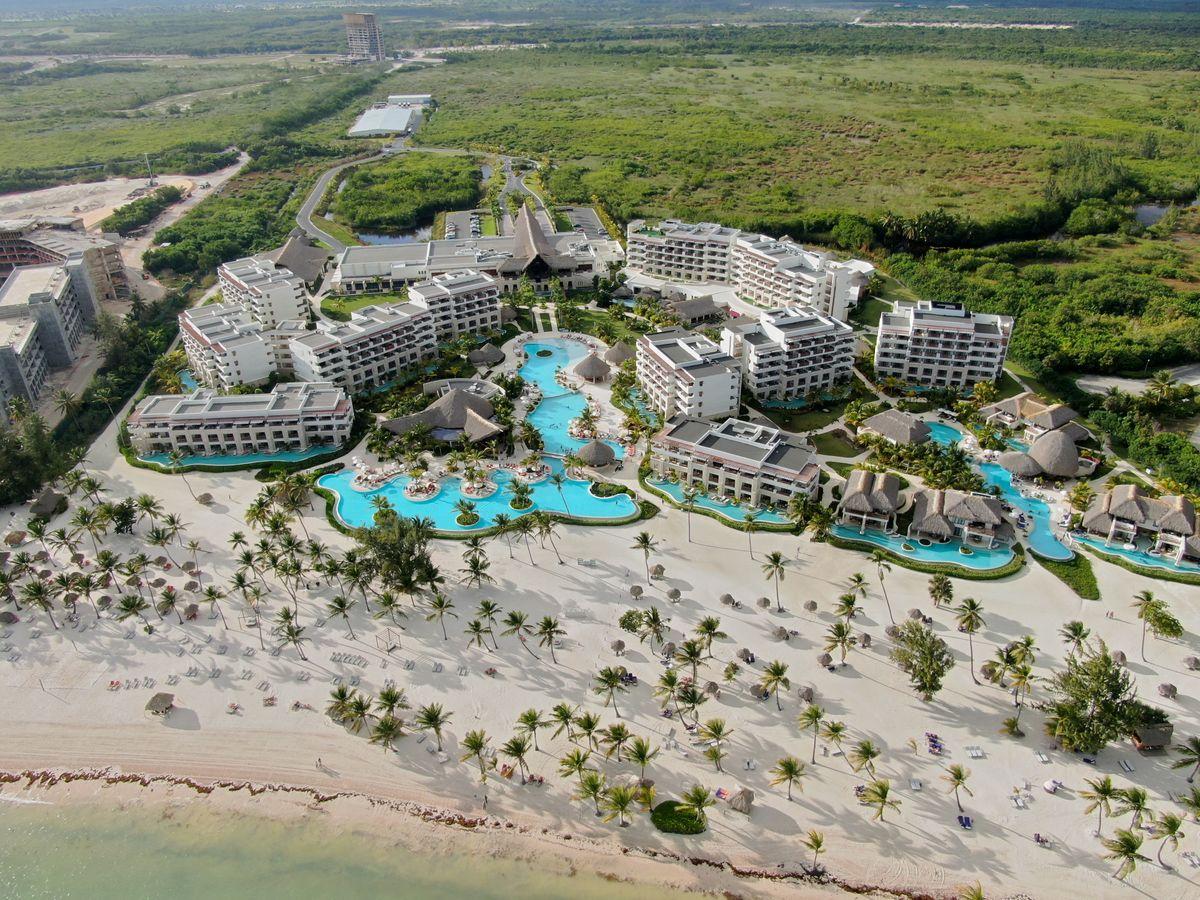
Oceanfront resort planting is not a standard commercial installation moved closer to the water. Salt spray can dehydrate foliage. Wind can abrade leaves before roots establish. Sand movement can expose root crowns or bury low growth. Hardscape can create intense reflected heat farther inland.
For coastal resort landscaping on Oahu, we start by matching the approved plant schedule to the actual exposure pattern across the property. We do not treat “salt tolerant” as a promise that a species will perform in every shoreline position. We review where spray lands and where buildings interrupt wind. Guest circulation adds another constraint. That field information should inform procurement before the first delivery reaches the site.
Map Salt Exposure Before Finalizing the Plant Schedule
An oceanfront property contains several microclimates. A bed facing open water may receive frequent airborne salt, while a courtyard behind the same building may receive little direct spray. Applying one plant palette across both areas can over-specify rugged coastal plants in protected spaces or place sensitive material at the shoreline edge.
We recommend documenting the project as exposure zones during preconstruction coordination. The landscape architect remains responsible for the design and approved plant schedule. Our installation review can identify field conditions that deserve confirmation before procurement.
| Exposure zone | Typical field condition | Design implication | Installation check |
|---|---|---|---|
| Direct shoreline edge | Open wind path with regular salt spray | Start with plants documented for high salt and wind tolerance | Confirm drainage against finished grade. Verify setbacks. |
| Transition planting | Partial protection from walls or stronger vegetation | Use a layered palette based on measured exposure | Verify spacing at mature size and irrigation coverage |
| Guest activity zone | Paths or pools. Entries and outdoor dining may be nearby. | Salt tolerance must be balanced with safe clearance | Check visibility and maintenance access. Review potential drop. |
| Protected courtyard | Building enclosure reduces direct spray | Broader plant options may be appropriate | Confirm light levels and heat reflected from walls |
This map should account for unusual exposure. A low point may collect saline runoff after coastal flooding. A wind tunnel between structures can receive more spray than distance from the shoreline suggests. Approved civil documents must guide any drainage response. Landscape work should not alter shoreline features or engineered drainage without written direction from the responsible design professional.
Salt Tolerance Is Only One Selection Test
A salt tolerant commercial design still has to function as resort infrastructure. A plant may tolerate spray but have sharp leaves that are unsuitable beside a guest path. An aggressive spreading habit creates a different conflict. Dense shrubs can also block wayfinding signs or security views.
Root volume matters near pools and structural slabs. Maintenance access matters behind cabanas or along narrow service corridors. Plant litter can affect deck presentation and create extra work around drains. We review these conflicts against the drawings and raise questions before substitutions or layout changes are made.
| Selection test | Question for the project team |
|---|---|
| Coastal exposure | Is the plant documented for the salt and wind level at this exact location? |
| Mature form | Will the expected height or spread preserve views and required clearances? |
| Guest interface | Does the plant create sharp foliage or drop concerns? Could it block visibility? |
| Root environment | Is there enough soil volume without interfering with structures or utilities? |
| Maintenance intent | Can the specified form be maintained without constant corrective pruning? |
Coastal Plants to Evaluate for Oahu Resort Projects
The University of Hawaiʻi at Mānoa classifies plants by salt and wind tolerance in Salt and Wind Tolerance of Landscape Plants for Hawaiʻi. Zone 1 covers plants described as highly tolerant of soil salinity and wind-borne salt. A CTAHR reference on native Hawaiian ground covers documents growth habits for several coastal species.
The plants below are candidates for design-team evaluation. They are not a substitute for the approved schedule or a site-specific review. Nursery confirmation is also required.
| Plant candidate | Landscape role | Documented coastal trait | Resort design consideration |
|---|---|---|---|
| Naupaka kahakai (Scaevola taccada) | Coastal shrub or screen | Reported as tolerant of salt and wind after establishment | Manage mature width so ocean views and signs remain open |
| ʻĀkulikuli (Sesuvium portulacastrum) | Low succulent ground cover | CTAHR describes tolerance of salt and wind. It also tolerates heat and dry periods | Define bed limits and confirm the intended spreading pattern |
| Pōhuehue (Ipomoea pes-caprae) | Spreading coastal vine | CTAHR identifies it for beach planting and reports salt tolerance | Allow adequate area or plan regular containment |
| Hinahina (Heliotropium anomalum var. argenteum) | Low silver-toned ground cover | CTAHR reports tolerance of salt and wind | Requires a sunny location with well-drained soil |
| Mauʻu ʻakiʻaki (Fimbristylis cymosa) | Compact clumping sedge | CTAHR reports salt and wind tolerance | Confirm spacing and the desired formal appearance at guest edges |
Named species must be confirmed against required sizes and current availability. Native status alone does not determine suitability for a construction detail. Provenance and container condition can affect establishment. Project exposure must also be considered.
Build a Layered Coastal Planting Edge
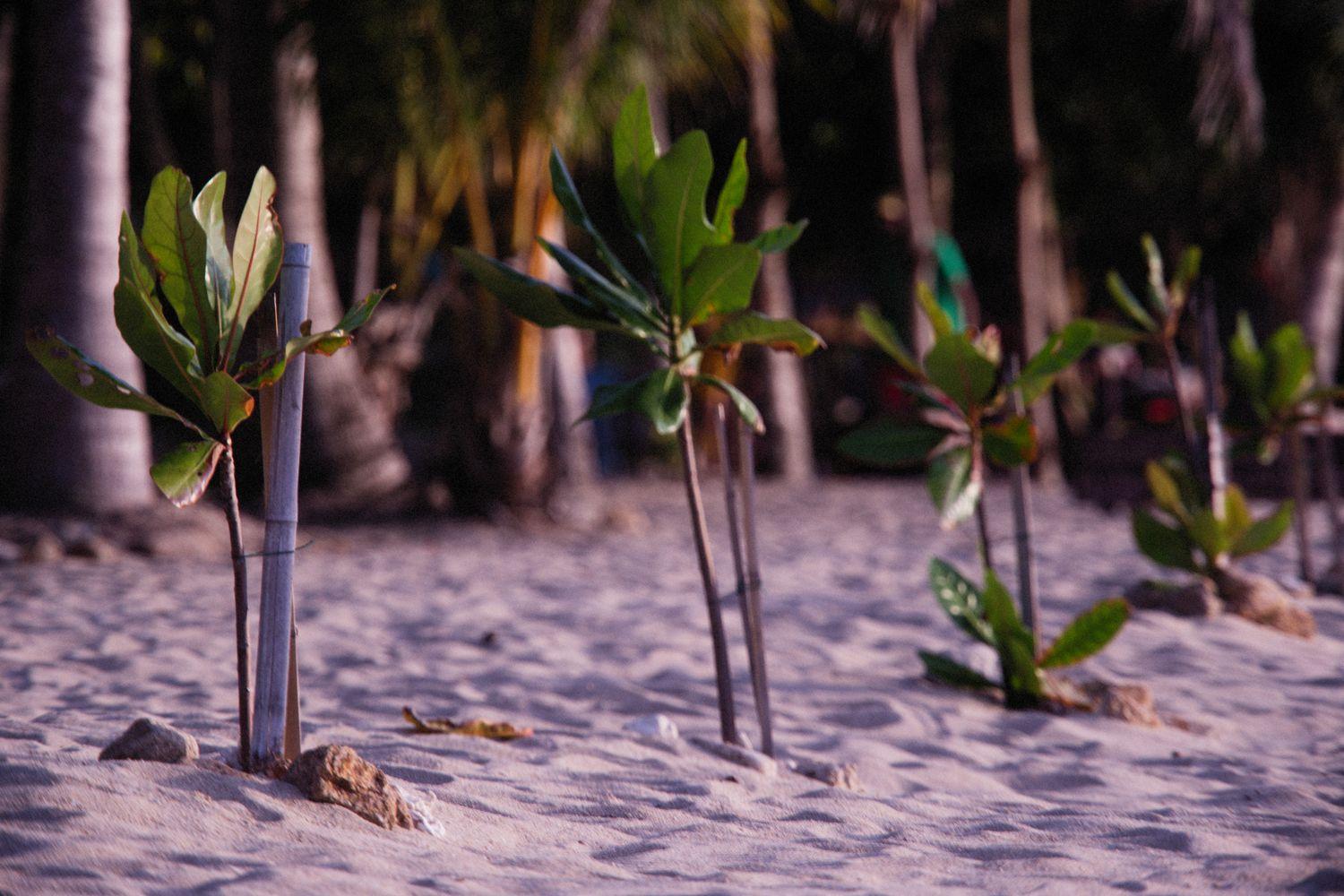
The most exposed plants should not be selected in isolation. A layered layout can place the most salt-tolerant material at the open edge, followed by species suited to filtered spray. More protected guest areas can then support the palette assigned to the resort interior.
This approach responds to actual exposure instead of relying on a single hedge. It can preserve view corridors if the first layer stays low where the design requires an open ocean connection. Approved drawings must establish plant height and spacing. Sightlines require a separate check. Coastal planting should never be represented as protection from storm surge or structural wind loads.
Prepare the Root Zone for Coastal Conditions
Salt-tolerant foliage cannot compensate for a poor root zone. Resort construction may leave compacted subgrade below planting areas. Sandy soil may drain rapidly, while a bed constrained by walls can retain water. Imported soil and existing sand may behave differently. Construction fill requires its own review.
Before installation, we compare field elevations with the planting and civil plans. Water must leave the bed without crossing guest paths or collecting against buildings. Soil preparation should follow the specification, supported by testing when required. Adding organic material without a defined target can change drainage.
Planting depth is another control point. Root flares and crowns should remain at the specified elevation after settlement. Mulch should be held away from trunks and crowns. These details reduce avoidable establishment stress, but they do not eliminate exposure risk.
Establish Irrigation by Hydrozone
Coastal species still need an establishment plan. Salt tolerance does not remove the need for suitable freshwater irrigation after planting. At the same time, excess irrigation can keep poorly drained root zones saturated or push runoff toward pool decks.
We verify that zones correspond to plant needs and exposure conditions in the approved irrigation design. Coverage should be observed at operating pressure before acceptance. Overspray onto glazing or guest walkways should be corrected through the approved process. Salt-sensitive interior planting may require separate zoning. Container size and soil behavior affect demand. Local weather must also inform scheduling.
Protect Guest Circulation and Future Operations
Resort developers need the completed landscape to work on opening day and remain maintainable afterward. Final layout checks should confirm clear widths at paths. Plants should not conceal lighting or encroach on accessible routes. Material near outdoor dining should be evaluated for litter and maintenance frequency.
Closeout should record approved substitutions and unresolved plant-health observations by exposure zone. Irrigation corrections should be documented. The maintenance team should receive the final plant schedule and the establishment requirements included in the contract documents. That handoff gives resort operations a defensible baseline for future care.
Coordinate Local Plant Availability Before Mobilization
Our private landscape nursery in Kapolei gives us a local source for plant material confirmed in inventory. For available species and sizes, this can reduce dependence on trans-Pacific shipments and support delivery sequencing. Quantity and condition still need project-specific verification.
Early coordination is especially valuable for phased resort work. We can compare the approved schedule with confirmed nursery material and flag gaps. Substitution requests then go to the authorized decision-maker. We do not substitute a coastal species in the field based only on a similar appearance.
Plan the Coastal Installation Before the Planting Window
Pacific Island Landscape LLC supports commercial landscape installation on Oahu for scopes confirmed in the contract documents. We can also coordinate with the project team during commercial landscape design review so exposure questions and nursery availability are addressed before mobilization.
If you are planning a new oceanfront resort, contact Pacific Island Landscape LLC to discuss the approved plant schedule and current site conditions. We will define the installation scope. Items requiring design-team direction will be identified before we confirm available nursery material or commit to a delivery plan.
.svg)