.svg)
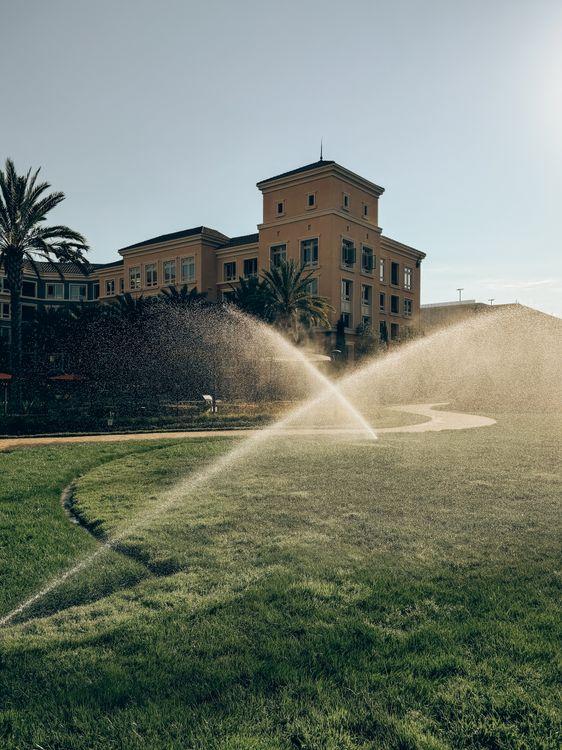
At Pacific Island Landscape LLC, we know an irrigation problem may first appear as a wet sidewalk or unhealthy planting bed. An unexpected change on a water bill can be another sign. The visible symptom does not always identify the cause. A broken head may waste water during one scheduled zone. A valve that does not close may continue flowing after the controller stops.
For commercial property managers, the financial case for irrigation work should begin with evidence. A commercial irrigation audit can define where water is being applied and whether the system is operating as intended. It can also separate urgent repairs from controller upgrades that need a longer payback review. A measured baseline gives management a defensible way to evaluate proposed work without promising a particular cost reduction.
Start With the Billing and Meter Boundary
An irrigation review should begin before the first zone is activated. Determine whether irrigation has a dedicated meter or shares service with the building. A shared meter makes landscape use harder to isolate because building operations affect the same bill. A dedicated irrigation meter provides a cleaner baseline, but billing periods still require review.
Collect one complete year of available bills when possible. Compare similar months instead of treating one high bill as proof of a leak. Note major landscape work and known shutdowns. Rainfall also affects comparison. Interval data or a submeter can reveal flow outside scheduled watering windows.
The Honolulu Board of Water Supply rate schedule publishes non-residential quantity charges by effective date. Property managers should use the current rate and the actual account classification in any calculation. Sewer charges may follow a different method, so the water bill should not be used as a substitute for reviewing every applicable utility charge.
Define What the Irrigation Audit Includes
The word “audit” can describe different levels of work. A routine walkthrough may identify visible leaks or obvious overspray. A formal audit can include field measurements and quantified performance testing. The U.S. Environmental Protection Agency describes certified landscape irrigation auditing as collecting site data and using field observations to support scheduling decisions.
We do not describe a maintenance walkthrough as a certified irrigation audit. If an owner requires formal performance testing, the proposal should identify the auditor’s qualification and measurement method. The deliverable should also state which zones were tested. Areas that could not be operated safely should be documented as exclusions.
| Audit component | What should be recorded | Why it matters |
|---|---|---|
| Meter and account review | Meter type and service boundary | Establishes which consumption belongs to irrigation |
| Controller inventory | Model and zone count | Shows whether equipment is limiting control |
| Zone activation | Runtime and shutoff response | Connects a defect to a specific operating period |
| Application review | Overspray and visibly dry areas | Identifies where water is not serving the intended planting |
| Pressure or flow testing | Test location and observed result | Supports repair decisions with measurements |
| Final scope | Repair item and verification step | Converts findings into an approvable work order |
Commercial Irrigation Repair Oahu Properties Should Scope From Evidence
Commercial irrigation repair on Oahu should address the source of the problem, not only its most visible symptom. A tilted sprinkler head can be realigned, but persistent misting may point to excess pressure. A dry zone may have a blocked nozzle. It may also have a closed valve or a damaged lateral line.
Each repair item should name the affected zone and component. The scope should state whether excavation is expected. It should identify pavement or utility conflicts that affect access. Work in parking islands may also require traffic coordination.
Inspect the Root Zone Before Adding Runtime
Adding minutes at the controller is not a reliable response to every dry-looking area. Soil texture and compaction influence how quickly water enters the root zone. If application exceeds infiltration, additional runtime can move water onto pavement instead of deeper into the soil. Repeated shallow watering may also leave deeper roots without adequate moisture.
A technical review should compare emitter type with the planting area. Spray equipment and drip components apply water differently. Planting zones with different water requirements should not be combined casually. If plant replacement or soil work is proposed, irrigation demand should be reviewed after the landscape scope is approved.
Evaluate Smart Irrigation Against the Existing System
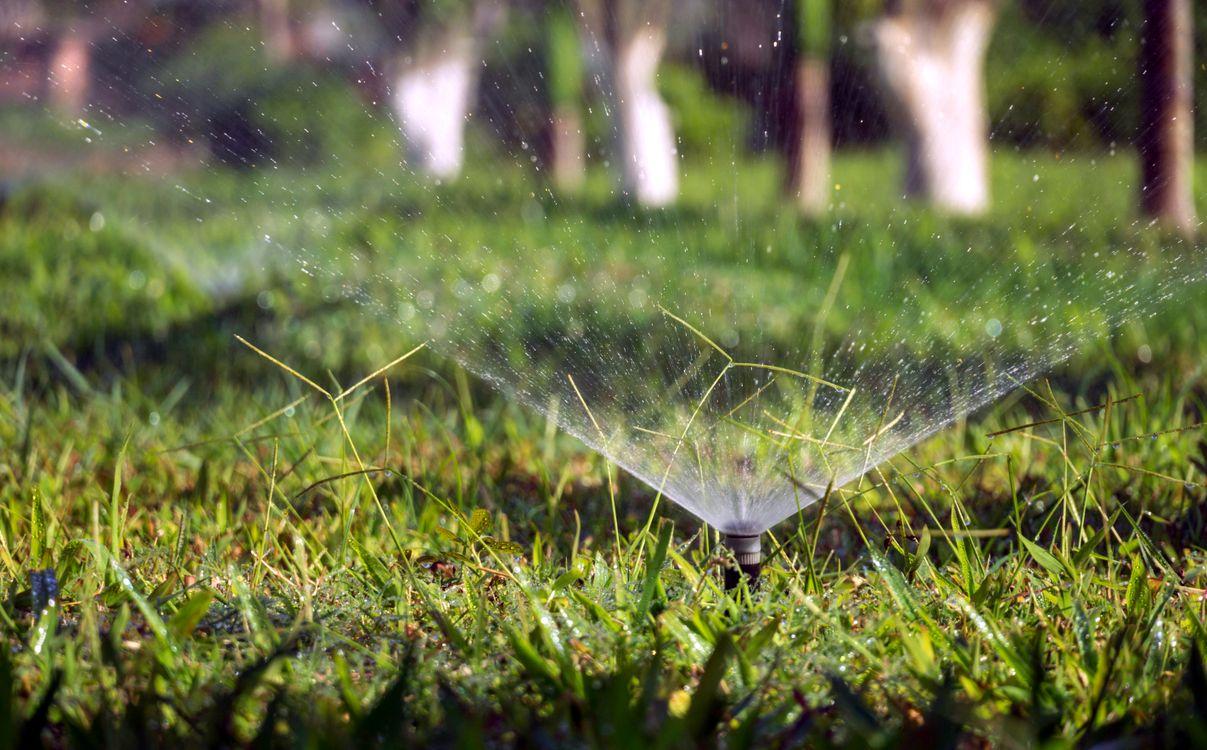
Smart irrigation in Hawaii is not one product category with one financial result. Weather-based controllers use local weather data and landscape conditions to adjust watering. Soil-moisture-based controllers respond to conditions detected in the root zone. The EPA explains that WaterSense labeled weather-based controllers are independently certified against efficiency and performance criteria.
A controller upgrade cannot repair a leaking pipe or damaged valve. Existing field components should be tested before automation is expected to produce a measurable change. Confirm the required station count and sensor support. Verify communications coverage and manual operation. Include any subscription fee in the ownership-cost calculation.
| Upgrade question | Evidence to request before approval |
|---|---|
| Will the controller operate every existing zone? | Station schedule and expansion requirements |
| Can the site data connection support remote features? | Connectivity test and fallback operating method |
| Are sensors appropriate for the landscape? | Proposed location and maintenance responsibility |
| Can staff override the program safely? | Access roles and written operating procedure |
| Does the upgrade add recurring cost? | Subscription terms and annual fee |
The phrase “smart” should not replace commissioning. After installation, each zone needs a verified schedule. Alerts must be assigned to someone with authority to respond. Controller data should then be compared with meter data to determine whether the expected operating change occurred.
Calculate ROI Without Assuming the Savings
The strongest ROI model uses measured reduction after the repair or upgrade. Before approval, management can prepare a forecast, but the assumptions should remain visible. Avoid using a residential savings estimate for a commercial property with different landscape area or operating pressure.
Use the following structure:
| Calculation | Method |
|---|---|
| Baseline monthly irrigation volume | Average comparable billing periods or dedicated meter data |
| Verified monthly reduction | Baseline volume minus post-project volume for a comparable period |
| Monthly utility-cost change | Verified volume reduction multiplied by the applicable marginal utility rate |
| Net annual benefit | Annualized utility-cost change minus recurring controller or monitoring costs |
| Simple payback period | Installed project cost divided by net monthly benefit |
| First-year ROI | Net first-year benefit divided by installed project cost, expressed as a percentage |
Recalculate the model after enough post-project data is available. If landscape area or weather conditions differ materially, label that limitation. Do not add avoided plant or cleanup costs unless property records support them.
Account for Runoff and Project Requirements
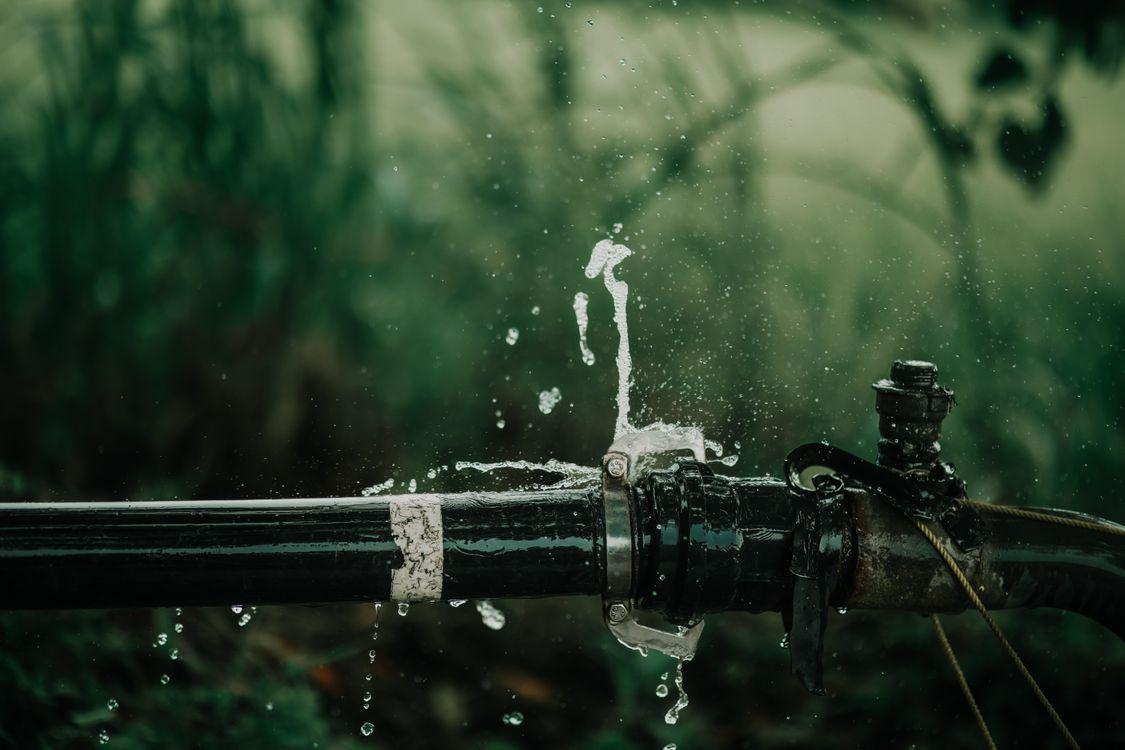
Irrigation that reaches pavement is not only a billing concern. It can affect customer routes and carry landscape material toward storm drains. For development projects covered by Honolulu’s Priority A or B requirements, the City’s Rules Relating to Water Quality address automatic irrigation design and minimizing excess irrigation runoff into the stormwater system. The same rules call for grouping plants with similar water requirements.
Applicability depends on the project and should be confirmed by the appropriate design or permitting professional. An irrigation audit is not a code-compliance certification unless that service is expressly included. Any proposed redesign should also be checked against approved landscape plans and underground utility information.
Phase the Work Around Verified Priorities
Not every property needs a complete replacement. A phased plan may begin with active leaks and failed shutoff components. The next phase can correct coverage or pressure problems. Controller replacement can follow after the field system is stable enough to evaluate.
Phasing also gives management cleaner cost data. A repaired leak can be measured before a controller upgrade changes the schedule. That separation helps identify which investment produced the observed result. Control technology cannot compensate for defective distribution equipment.
Discuss the Irrigation Scope With Us
Our published commercial landscaping and maintenance services include irrigation setup. If your Oahu property has visible leaks or uneven watering, contact us to request an estimate. We will define the proposed work in writing and identify anything requiring another qualified professional.
Pacific Island Landscape LLC will not promise a fixed utility reduction without baseline data and a confirmed scope. We can help property managers move the conversation from a general concern to an actionable proposal. Contact us through our Oahu website to begin.

.svg)