.svg)
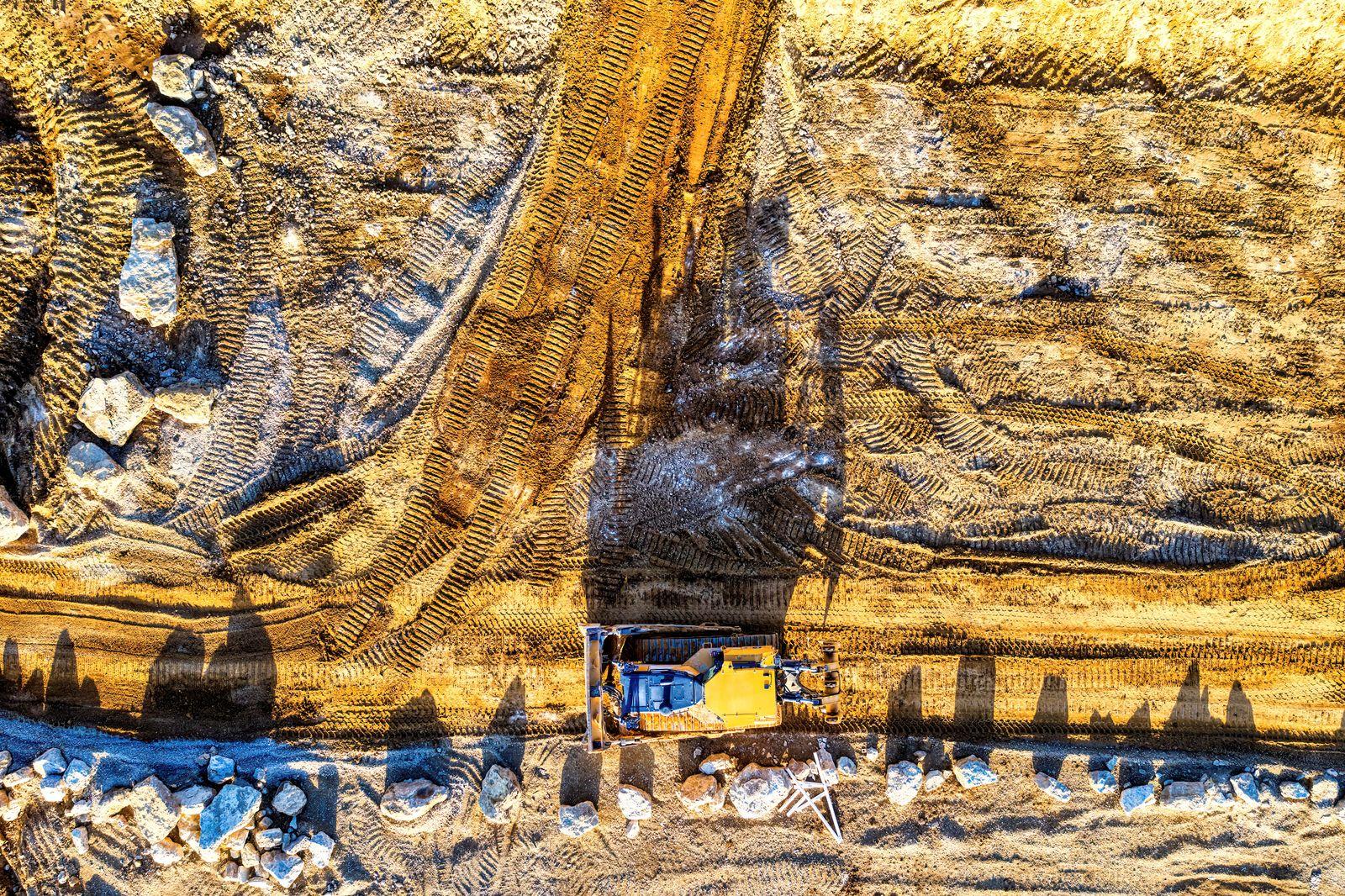
By the time a new retail center reaches the landscape phase, the soil along storefronts and parking areas has often carried months of construction traffic. Planting zones may have served as haul routes or temporary storage areas. Fine grading can make the surface look ready even when the root zone below it remains compacted.
At Pacific Island Landscape LLC, we treat commercial soil prep on Oahu as a defined installation phase, not a last-minute layer of topsoil. We first document the condition handed to the landscape contractor. We then compare it with the approved documents and complete specified corrective work before plant material arrives. This protects the planting sequence without claiming that landscape preparation can solve structural or environmental issues outside our scope.
Define What “Soil Remediation” Means for the Project
The phrase construction soil remediation can describe very different work. Within a landscape package, it may refer to loosening compacted soil or replacing unsuitable planting material. It can also include specification-based amendments. None of those activities should be confused with the investigation or cleanup of chemically contaminated soil.
If the project has known environmental controls, the landscape scope must follow the approved Environmental Hazard Management Plan or other controlling document. Unexpected staining or buried debris should not be mixed into planting soil without direction. Unusual odors also require escalation through the general contractor. Evaluation and disposal decisions belong to the owner and the qualified environmental professionals assigned to the project.
This distinction should be written into the scope before work begins. It protects the developer from assuming that a landscape allowance includes hazardous-material work. It also gives the project team a clear path if field conditions differ from the bid information.
Release the Root Zone After Heavy Construction Traffic Ends
Soil cannot be prepared effectively if the area will immediately return to use as a haul path. A retail project should release landscape zones by area after the major traffic affecting that location has ended. The release should confirm that underground work is complete and that approved finish grades are available for reference.
A signed or documented area release is more useful than a general instruction to “start landscaping.” It identifies what condition the crew is accepting and what remains assigned to another trade.
Assess the Soil Below the Finished Surface
The phrase “dead construction dirt” usually describes soil that no longer behaves like a functional planting medium. The visible surface does not reveal every problem. Compaction may limit pore space below grade, while construction debris can create inconsistent conditions across the same bed.
USDA Natural Resources Conservation Service guidance explains that compaction can restrict infiltration and root penetration. It can also reduce the movement of air through the soil. Those effects matter in retail landscapes because narrow planting islands are already constrained by curbs and surrounding pavement.
The assessment method should follow the project specification. Field observation may identify obvious compaction or poor drainage, but it does not replace required laboratory analysis. If the documents call for testing, the team should confirm who collects representative samples and which qualified laboratory performs the analysis. Results may address pH or salinity. Other characteristics should be tested only where the design team or specification requires them.
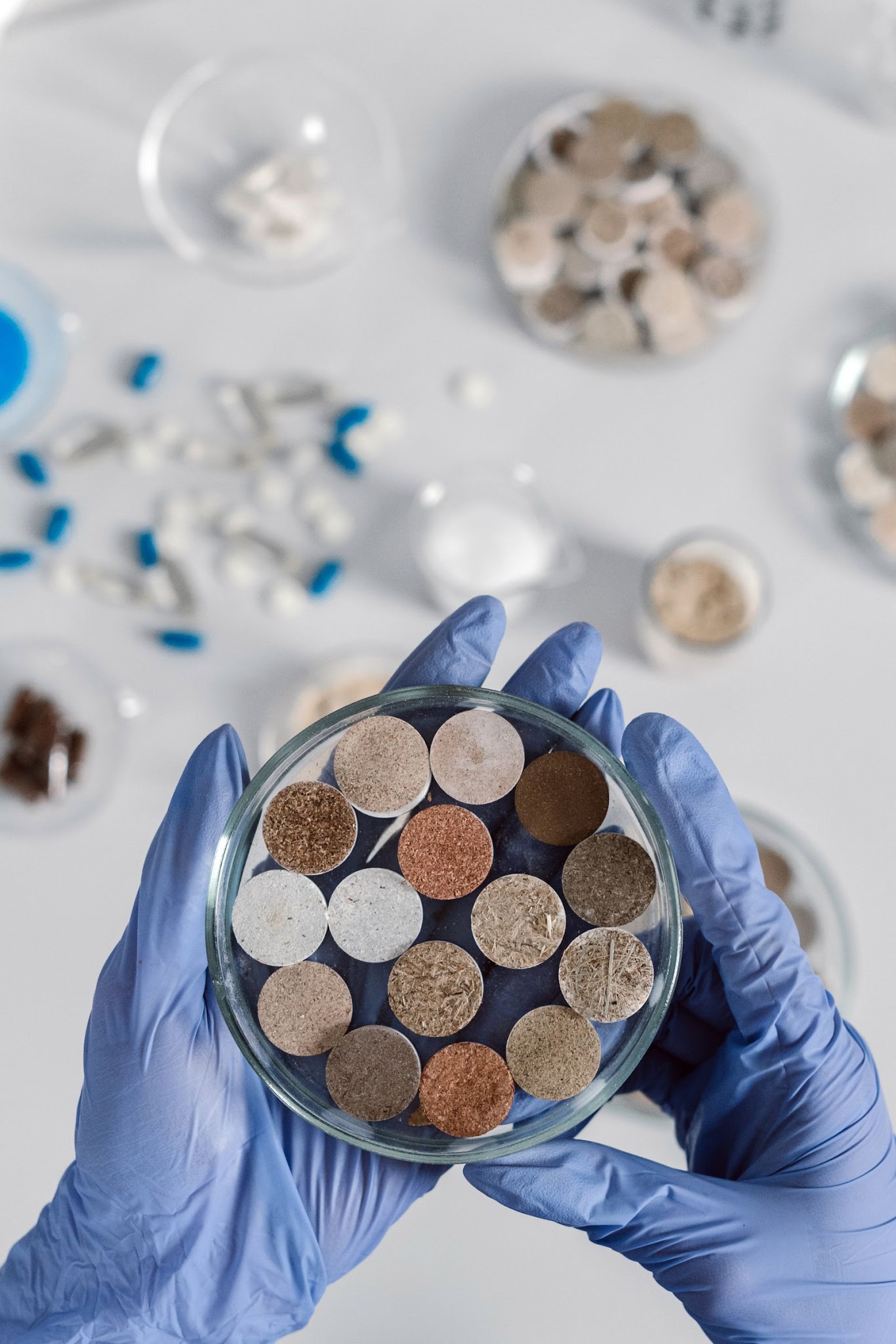
Project-specific testing can inform soil corrections where it is required by the documents.
Correct Compaction to the Required Planting Depth
Surface raking is not a substitute for correcting a restrictive layer deeper in the root zone. Depending on the approved detail and verified site conditions, corrective work may involve scarification or another specified method. The required depth cannot be chosen from a generic rule because planting profiles and utility constraints differ by project.
Moisture conditions also affect the work. Operating on saturated soil can smear or compress the profile rather than improve it. Very dry soil may require a different approach to achieve the specified result. The superintendent and landscape team should schedule correction when the work area can support the selected method.
Decompaction also needs an access plan. Narrow islands beside completed paving may not accept the same equipment used in open perimeter beds. Sign foundations or light-pole bases can further restrict movement. Any mechanical method must account for verified underground utilities and the GC's site-safety requirements.
Rebuild the Planting Profile From the Specification
Once compaction has been addressed, the soil profile can be brought to the approved elevation and composition. Imported planting soil should match the project requirements. Amendments must follow the specified material and application criteria rather than a universal recipe.
Organic matter can support aggregation and biological activity, but more is not automatically better. Product composition varies, and an excessive or poorly blended layer can behave differently from the soil below it. The goal is a consistent planting profile that supports the selected plants and works with the designed irrigation approach.
The source of imported soil also deserves review. Hawaiʻi Department of Health guidance on imported and exported fill notes that visual inspection alone cannot determine whether fill presents a chemical hazard. The developer should define source documentation or environmental review requirements before material is delivered. Landscape acceptance does not replace that due diligence.
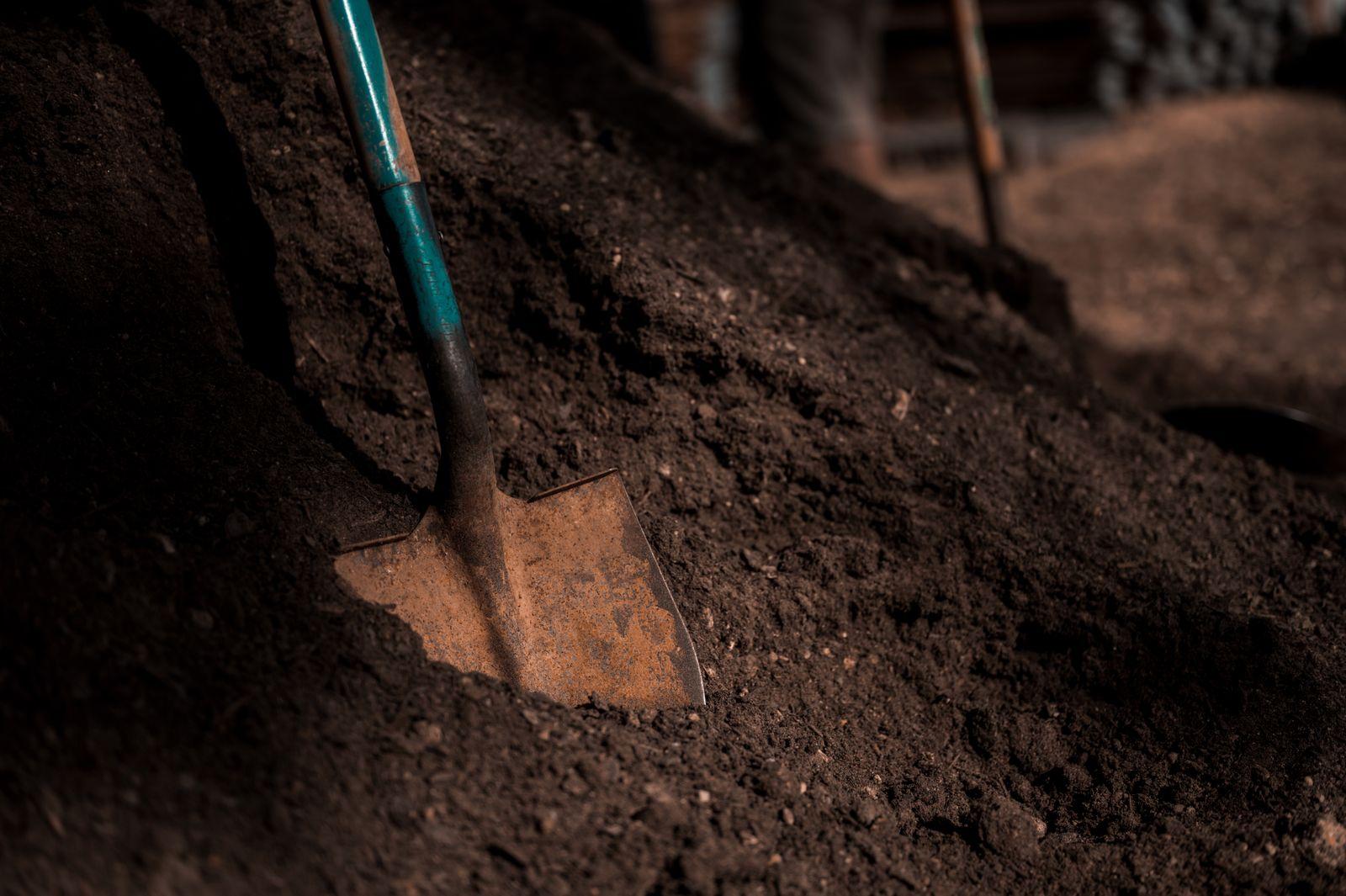
Imported planting soil and amendments should follow the approved project requirements. This is not a Pacific Island Landscape LLC project.
Resolve Drainage Before Plant Material Is Installed
Adding amended soil does not correct a blocked outlet or an unresolved low point. Before planting, the team should compare bed elevations with adjacent walks and curbs. Drainage structures must remain at the intended elevations, while runoff patterns should match the released civil information.
If water remains in a test area or excavation, the condition should be documented before it is hidden. The response may require civil or geotechnical direction rather than additional landscape soil. Pacific Island Landscape LLC can coordinate within the confirmed landscape scope, but we do not treat field observation as engineered drainage approval.
Protect Prepared Soil Until Planting Begins
Prepared soil is vulnerable to the same traffic that damaged the original root zone. Work-front controls should keep material storage and construction vehicles out of accepted planting areas. If access cannot be restricted, final soil preparation should move closer to the planting date.
Exposed soil also has erosion-control implications. Honolulu's Rules Relating to Water Quality include stabilization requirements for applicable construction activity. The project's approved erosion and sediment controls govern the site. Stockpiles and exposed beds should be managed under that plan rather than left without assigned protection.
Our private landscape nursery in Kapolei can support plant scheduling when the approved species and required sizes are confirmed in local inventory. Local availability can reduce reliance on a trans-Pacific shipment for those specific plants. It does not justify delivering material before the soil and irrigation serving the work front are ready.
Verify Each Area Before Turning It Over
Soil preparation should close out by work front while the underlying conditions are still visible. The record can identify the accepted grade and the corrective method used. Delivery documentation should correspond with the material placed, while required test results remain part of the project record.
This documentation records completed work but cannot predict every factor affecting plant establishment. It gives the developer a clearer account of what was corrected before installation.
Prepare the Retail Landscape With Pacific Island Landscape LLC
We provide commercial landscape installation on Oahu, including plant installation and related soil preparation when it is included in our confirmed scope. Our role is to coordinate the planting package with the released site condition and approved landscape documents. Environmental remediation or engineered correction remains with the qualified parties assigned to that work.
If your new retail center is approaching the landscape phase, review our commercial landscape installation services. Contact Pacific Island Landscape LLC before plant delivery so we can evaluate the planting areas and define the soil-preparation assumptions in the proposal.
.svg)