.svg)
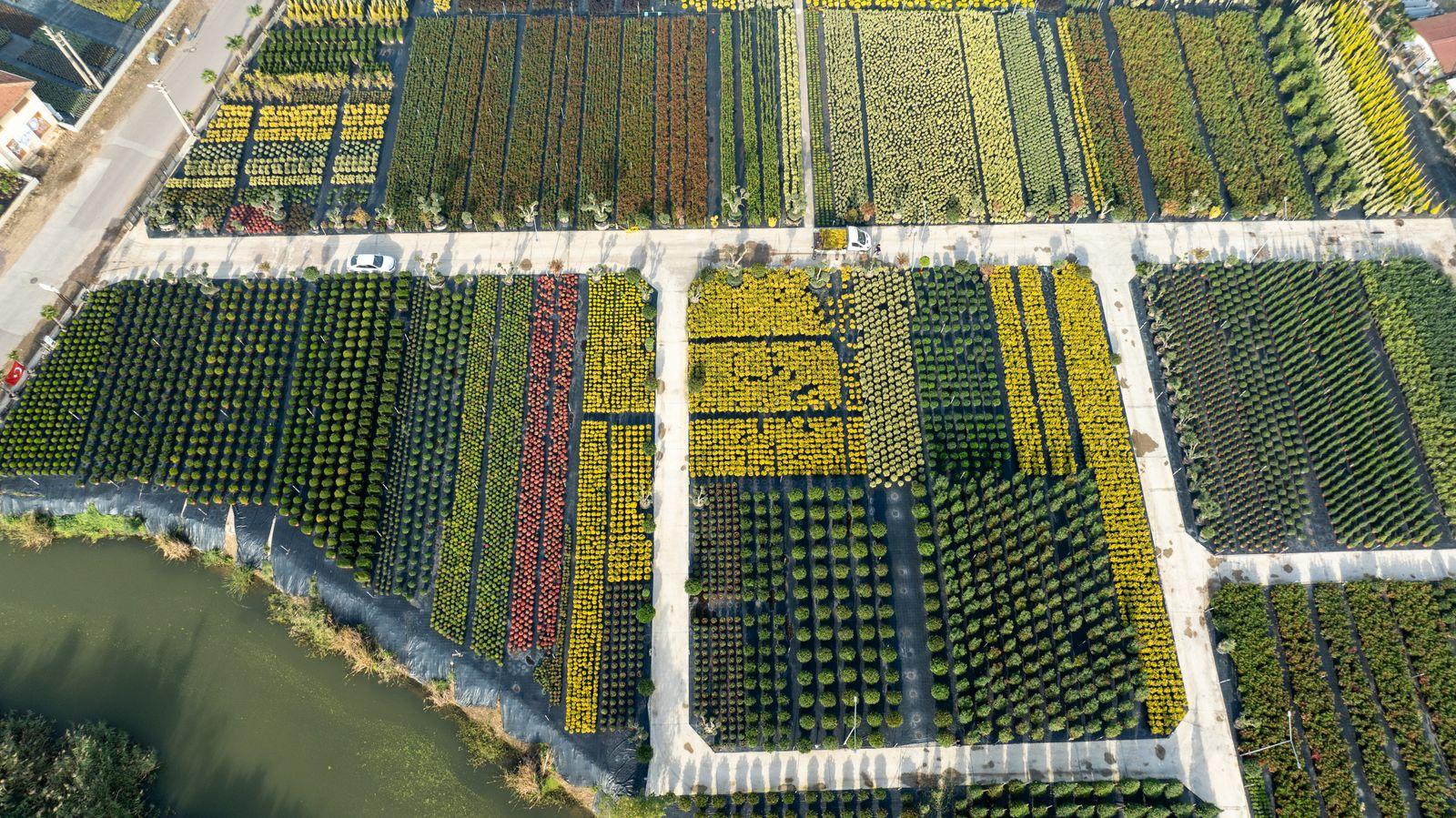
A master-planned community may be built over three years, but its landscape is not purchased once and delivered all at once. Each phase reaches planting at a different time. Civil completion can move. Homebuilder releases may also change while later plant schedules remain under design.
For large-scale developers, the nursery strategy should follow the phasing plan. A project-specific contract-growing program can connect an approved plant list with planned release windows and defined acceptance criteria. It does not make plant growth predictable to the day, and it does not create unlimited nursery capacity. The commercial terms must identify what will be produced or reserved before the grow period begins.
Pacific Island Landscape LLC operates a private landscape nursery in Kapolei. That local base allows us to evaluate phased material needs on Oahu without assuming that every species or specified size is available. Any contract-growing or reservation arrangement must be confirmed through a written project proposal.
Contract Growing vs. Wholesale Nursery Purchasing on Oahu
A developer buying from available nursery inventory selects from material that is ready near the time of purchase. This model can work when the plant palette is flexible and quantities are modest relative to available stock. It becomes harder to control across a multi-year build when multiple phases call for consistent species and specified installation sizes.
Contract growing starts earlier. The parties identify eligible plant material and connect it to a future release plan. The nursery might propagate new material or continue growing existing stock. It might instead reserve compliant plants already in production. The method depends on available starting material.
A wholesale nursery on Oahu may sell material from current inventory without committing to hold or grow it for a future phase. Developers should ask whether quoted material is available now or reserved for the project. Planned production requires a separate commitment.
Put the Production Assumptions in Writing
The phrase “grow the exact plant list” is only useful after the list has been translated into measurable obligations. Botanical names must match the approved documents. The agreement should identify required quantities and the applicable size criteria. It should also state whether substitutions need written design-team approval.
Payment timing and ownership of reserved material also require definition. The same applies to cancellation terms and any hold period after the scheduled release. These are project-specific commercial decisions, not assumptions that should be left until the plants reach target size.
Freeze Enough Design Information to Start the Grow Clock
Nursery production cannot reliably follow a plant schedule that is still changing at the species level. Before authorizing a grow, the developer should identify which parts of the landscape package are sufficiently stable. Entry monuments or primary streetscapes may be ready for an earlier decision, while later residential areas remain under design review.
The plant schedule should be checked against the architectural and civil set. Utility conflicts can reduce a planting area after material has already been committed. Changes to wall locations or sight-distance requirements can also alter quantities. Resolving those interfaces before production reduces the chance that the nursery is growing material for locations that no longer exist.
Where flexibility is necessary, the design team can identify approved alternatives in advance. That does not authorize automatic substitutions. It creates a documented response path if a specified plant cannot meet the required phase or acceptance criteria.
Map Nursery Releases to Construction Phases
A three-year construction schedule should not be treated as one uninterrupted nursery hold. Each phase needs its own forecast and release conditions. The program can be reviewed at defined checkpoints so later production reflects current project information.
The table is a planning model, not a universal production schedule. Different plants reach the specified size at different rates. The written program should use realistic, species-specific information rather than assuming every item follows the same three-year clock.
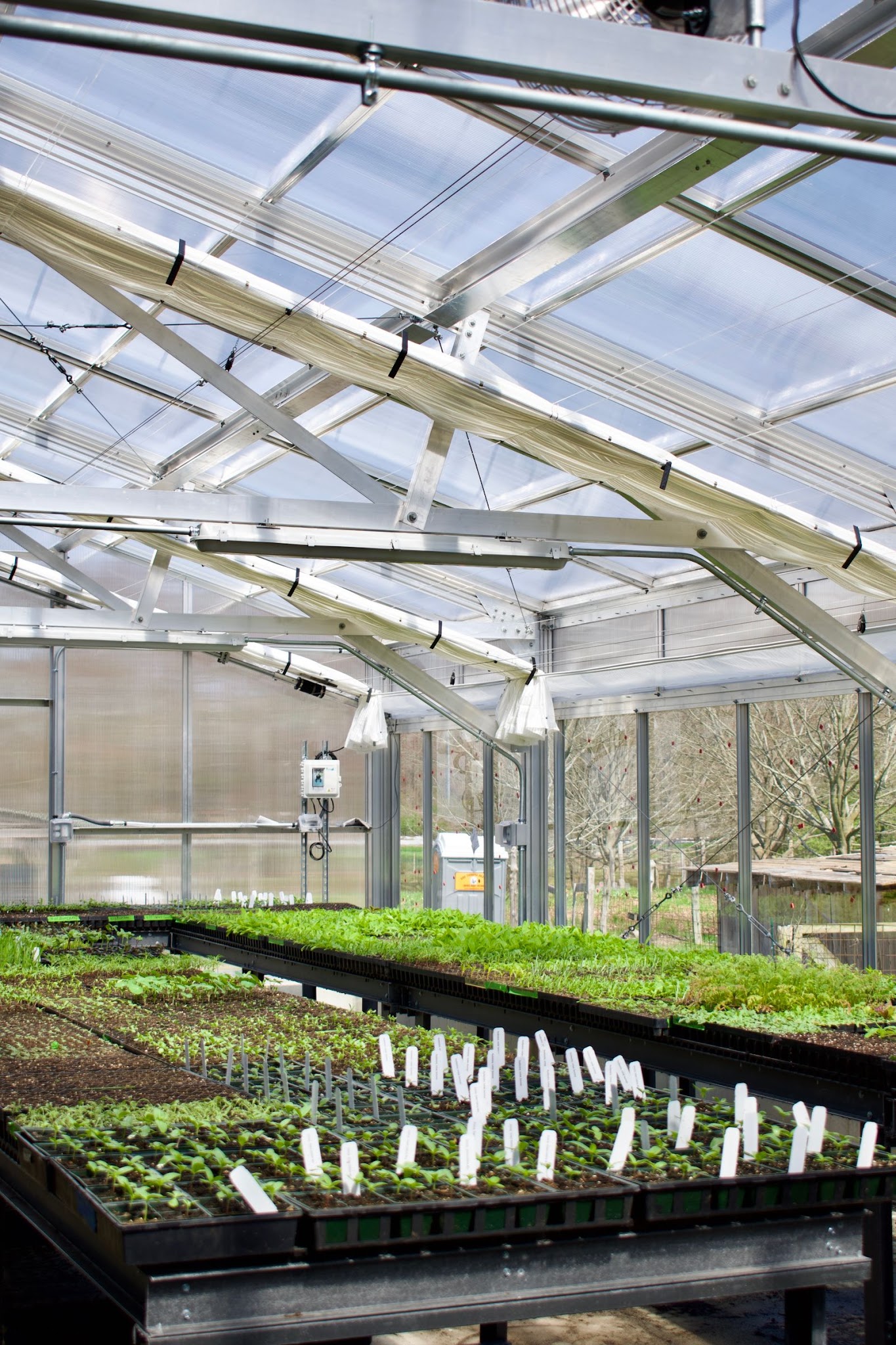
Early-stage material requires its own production period before it can meet a future landscape specification.
Track Reserved Material by Lot and Phase
Total quantity is not enough for a multi-year program. Plants should be associated with a project lot or another agreed tracking method. The record can identify the intended phase and the latest inspection status. It can also show whether a change has been approved for that group.
Tracking becomes especially important when the same species appears in more than one phase at different specified sizes. Material intended for an early release should not be confused with plants continuing toward a later requirement. A clear lot record reduces that risk, but it does not remove normal biological variation.
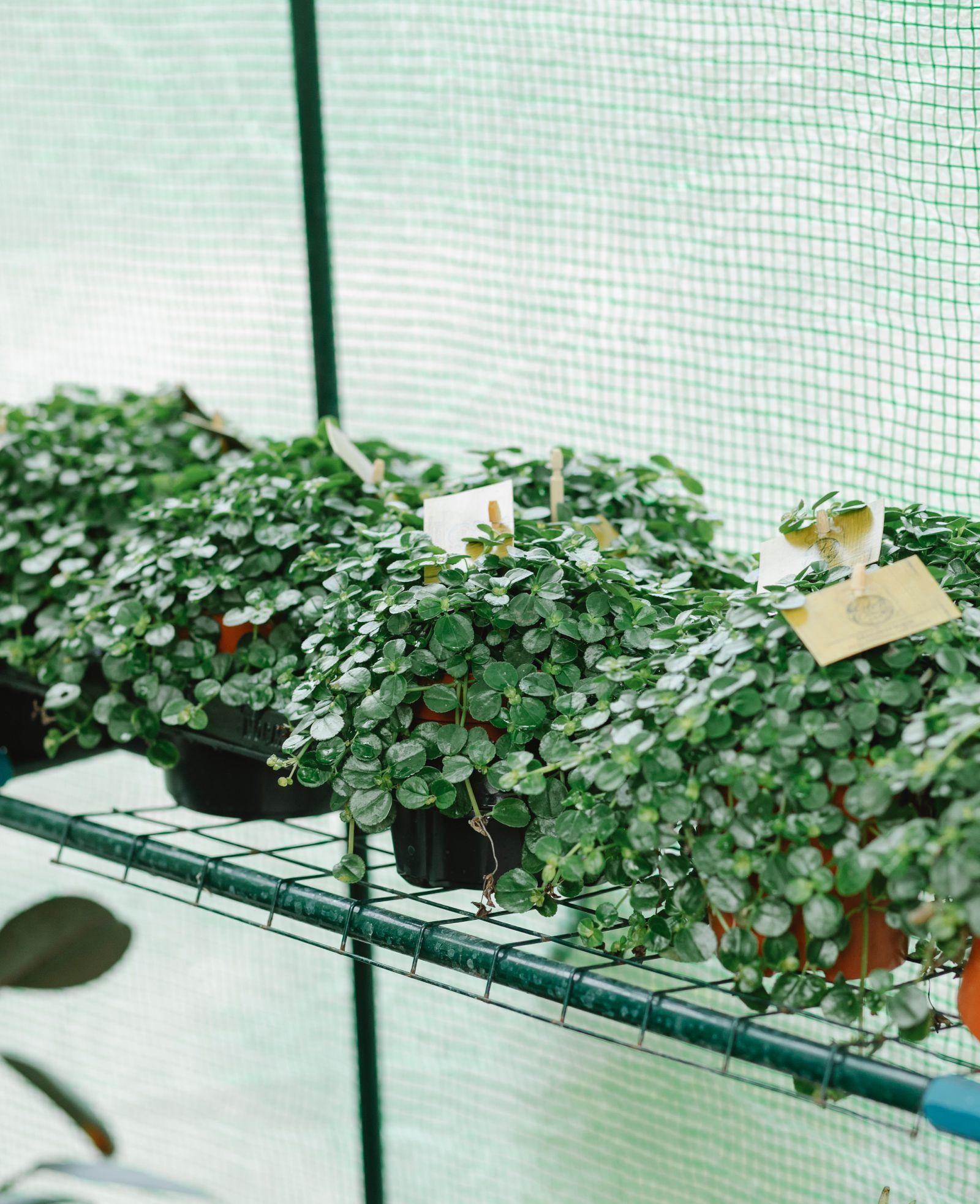
Lot labels illustrate the recordkeeping needed to separate plant groups.
Periodic reviews should use the acceptance language in the agreement. An inspection can document current condition, but it cannot promise final dimensions on a future date.
Account for Biological Variation Before It Affects a Phase
Plants of the same species do not develop identically. Weather and pest pressure can affect a nursery lot. Starting material may also vary. A contract-growing plan should therefore explain how nonconforming plants are identified and what options are available if the reserved quantity falls below the phase requirement.
The response might involve an approved alternate or a revised release allocation. It could involve sourcing elsewhere. The agreement should establish who evaluates those options and when the developer must decide. We do not assume replacement material will be available unless it has been confirmed.
Design revisions create a separate risk. If a later phase removes one plant type and adds another, the nursery may not be able to convert existing production into the new requirement. Early notice gives the project team more time to assess the effect on cost and schedule.
Keep Nursery Readiness Separate From Site Readiness
Plants can be ready while the site is not. A delayed road or unresolved utility conflict may prevent the scheduled installation. The agreement should define the release notice needed before dispatch and any approved holding arrangement. Plant care responsibilities must remain clear during an extended hold.
Before delivery, the field team should confirm access to the work front. Irrigation serving the area must be available for the establishment plan, while soil preparation should meet the approved detail. If those conditions are not in place, sending reserved plants to the site can create handling risk without advancing the milestone.
Our commercial landscape installation service can be coordinated with nursery releases when installation is included in our confirmed scope. Nursery production and field installation should still have separate acceptance points because one does not prove that the other is ready.
Use Local Growing to Reduce Supply Risk, Not Erase It
Growing or reserving compliant material on Oahu can reduce dependence on a future trans-Pacific shipment for that material. It can also make periodic lot review more practical. Those advantages apply only to plants covered by the written program and successfully maintained through the release date.
Some plant material or propagation inputs may still come from outside Hawaiʻi. Import requirements can depend on the plant and its origin. The Hawaiʻi Department of Agriculture Plant Quarantine Branch provides current information for regulated imports. A contract-growing plan should not assume that every specified plant can be introduced into the state on the desired schedule.
Evaluate a Phased Nursery Program in Kapolei
Our private landscape nursery gives Pacific Island Landscape LLC a local base for evaluating plant reservations and project-specific growing requests. Feasibility depends on the approved plant list and available starting material. Required sizes and quantities must also fit documented nursery capacity. We confirm those conditions before making a commitment.
Developers planning a phased Oahu community can review our private landscape nursery and contact Pacific Island Landscape LLC early in design. We can evaluate whether a written nursery program is appropriate for the proposed phases, then define the included material and release assumptions in the project proposal.
.svg)