.svg)
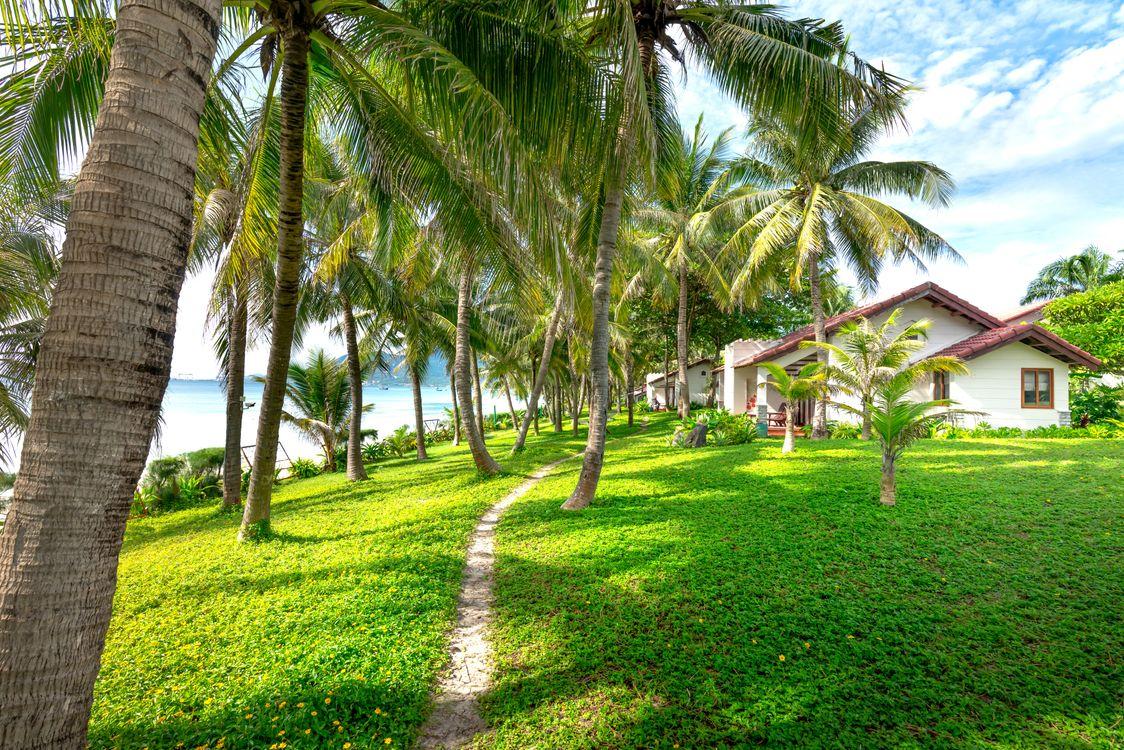
At Pacific Island Landscape LLC, we understand that resort landscaping is experienced at walking speed. Guests notice the arrival drive before they reach the lobby. A grounds issue does not have to be large to affect how a carefully managed resort feels.
High-frequency grounds management creates shorter intervals between observation and the next planned action. It does not mean that every area receives the same work each day. The program should reflect guest movement and landscape conditions. The operating calendar also matters.
For teams researching resort landscape maintenance on Oahu, we recommend connecting horticultural needs with hotel operations. We provide commercial landscaping and maintenance services on Oahu and serve hotels as part of our commercial work. Our capabilities include landscape maintenance and installation. We also offer irrigation setup and drainage work.
Make the Guest Experience Part of the Service Plan
A resort maintenance scope should begin with how people use the property. The arrival zone may need to be ready before check-in activity increases. Pool surroundings may have a different access window. Paths near guest rooms may require quieter methods at certain hours.
The facilities director can map these operating constraints before the landscape schedule is finalized. Event calendars should also be reviewed. A wedding setup or group arrival can temporarily change access to a lawn or courtyard. If the contractor receives that information after arriving, the crew may have to defer work without a clear replacement window.
The agreement should identify who communicates schedule changes. It should also state which resort contact can authorize access to restricted areas. These procedures reduce uncertainty but cannot remove every disruption.
Divide the Property Into Service Zones
Large resort grounds are easier to manage when the property is divided into defined zones. Each zone can have its own inspection frequency and approved service window. Maps or labeled site photographs help reduce uncertainty about boundaries.
| Resort zone | Operational concern | Planning approach |
|---|---|---|
| Arrival areas | Vehicle flow and first impressions | Complete disruptive work outside peak arrival periods |
| Guest pathways | Pedestrian access and visibility | Keep an alternate route available when work affects passage |
| Pool surroundings | Guest occupancy and wet surfaces | Coordinate access with resort operations before service begins |
| Event lawns | Setup schedules and temporary structures | Review the event calendar before assigning the work window |
| Back-of-house areas | Deliveries and staff movement | Coordinate with the department controlling access |
Zones may share irrigation or drainage infrastructure. A concern near the pool could originate elsewhere in the system. The operating map should therefore be paired with available system information.
Match Frequency to the Landscape Condition
Some tasks may need frequent visual checks, while physical work is performed only when conditions require it. Other tasks may follow an established maintenance interval.
The approved scope should distinguish inspections from completed work. For example, an irrigation zone can be observed for visible leakage without authorizing a repair. A plant-health concern can be recorded without assuming the diagnosis. This distinction gives the hotel a clearer record of what was noticed and what action was approved.
Seasonal growth and rainfall can affect workload. Resort occupancy can also change the available access window. The service schedule should be reviewed when those conditions shift rather than assuming that one static pattern will suit the property throughout the year.
Protect Service Windows From Avoidable Delays
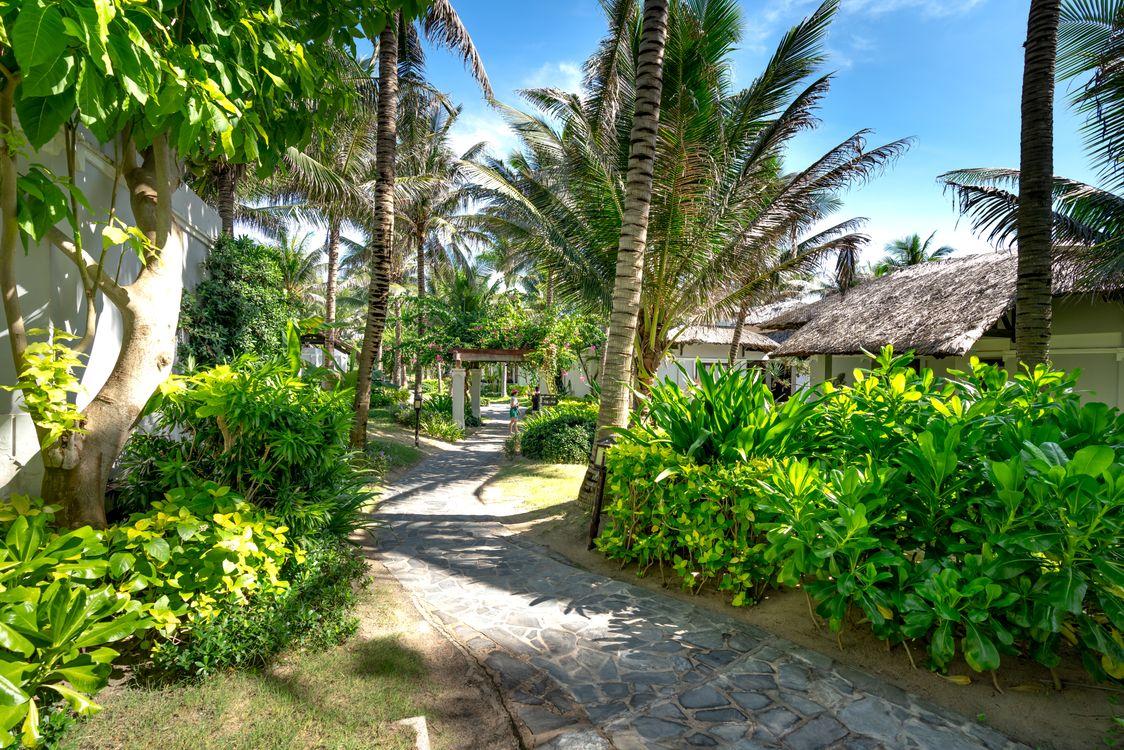
Crews need a usable work window, not simply a date on a calendar. Access instructions should identify the staging location and approved entry point. The resort should also communicate temporary closures that affect the planned zone.
Equipment use may need to be coordinated around guest rooms or meeting spaces. The appropriate restrictions depend on the property and task. The agreement should document those restrictions before service begins. It should also explain what happens when the approved window is lost because of a resort event or access limitation.
Work that creates temporary debris should include a cleanup expectation for the affected area. We offer debris and waste removal. The proposal should still define what material is included because recurring landscape debris may differ from storm material or waste left by another vendor.
Give Irrigation and Drainage Their Own Review Process
Irrigation concerns can affect appearance and guest circulation. Overspray may reach a walkway. A leak can create an area that needs attention from resort operations. Uneven coverage may affect plant performance without being obvious from a quick visual review.
The maintenance process should identify how visible irrigation concerns are reported. Repair authority should be stated separately. If a repair is outside the recurring scope, the property manager should receive a written description before approving additional work.
Drainage requires separate evaluation because the source of standing water may not be the irrigation system. Rainfall and runoff from paved areas can change conditions within a planting bed. Downspouts or changes in grade may also influence water movement. Work that modifies grading or drainage infrastructure may require technical review based on the proposed scope.
Our installation capabilities include irrigation setup and drainage. Equipment selection and expected outcomes should be confirmed in the approved proposal for the specific resort.
Plan Plant Care Around the Setting
Plant selection should respond to the actual resort environment. Areas close to the coast may experience salt exposure. Enclosed courtyards may receive less airflow than open grounds. Foot traffic can compact soil beside informal guest routes.
These differences matter when evaluating plant performance. Replacing a struggling plant with the same selection may not resolve the underlying condition. Soil texture or drainage may need review. The location may also require a different plant choice.
We install and maintain plants or trees. Our services also cover shrubs and tropical flowers. We offer disease control, while coconut rhinoceros beetle removal and treatment are identified separately. Any specialty treatment should be confirmed for the affected plants and documented in the resort's approved scope.
Coordinate Installation With Nursery Availability
Resort enhancement projects may be scheduled around renovations or seasonal operating priorities. Plant availability should be checked before the design and installation date are finalized.
Our private landscape nursery in Kapolei can reduce reliance on off-island sourcing for plant material that is available locally. Availability still depends on the requested species and quantity. The required installation date also matters.
Mature or large-format plants may provide more visual scale at installation when suitable nursery stock matches the approved design. Plant sizes should be confirmed in writing. Proposed substitutions should also require resort approval before installation.
Include Evening Conditions in the Grounds Review
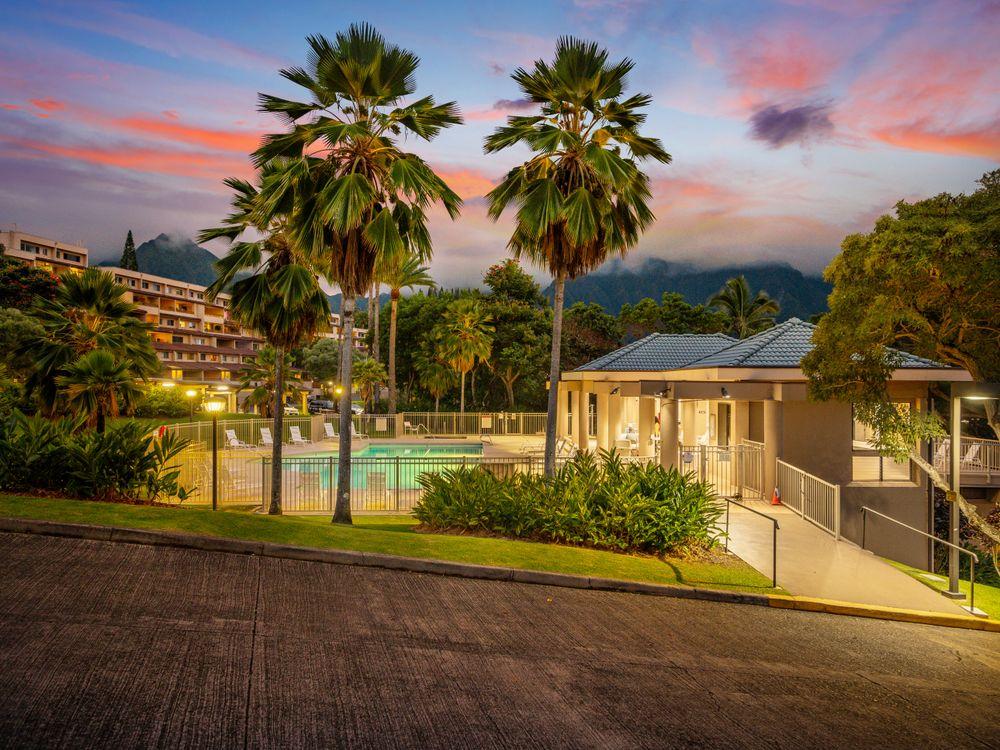
Some landscape conditions can only be evaluated after daylight. A pathway may appear adequately lit during the afternoon but have uneven coverage at night. Plant growth can also affect fixtures that were previously unobstructed.
We offer low-voltage landscape lighting. The resort should define whether the scope covers installation or a separate lighting project. Electrical work and permit requirements should be reviewed for the actual system before construction.
Use Reporting That Supports Hotel Operations
Reports should help the general manager or facilities director understand the affected location and required decision.
| Report item | What to record |
|---|---|
| Service completion | Service date and approved work by zone |
| Observed concern | Location and visible condition |
| Access exception | Restricted area and reason work was deferred |
| Additional work | Proposed scope and required authorization |
| Follow-up | Responsible contact and current status |
The report format should be agreed before the contract begins. Photographs are useful when they show the same location described in the written record. They should not replace a clear explanation of what decision is needed.
Establish One Operational Contact
The resort should identify one contact who coordinates landscape access and schedule changes. The contractor should also identify the person responsible for consolidating questions from the field. A backup contact is useful when the primary person is unavailable.
This structure does not mean all resort landscaping decisions belong to one employee. Department leaders may still control access to specific areas. Capital approvals may follow a separate process. The goal is to provide a clear communication path for the active service scope.
For facilities teams comparing hotel landscaping in Hawaii, this accountability structure should be reviewed alongside the proposed frequency and price. The contract should state who can authorize additional work and how deferred tasks are rescheduled.
Build a Resort-Specific Grounds Plan
High-frequency service works best when each visit follows a documented operating plan. Resort zones should have defined access windows. Technical work should be separated from observation and reporting. The schedule should also account for event activity or temporary closures.
At Pacific Island Landscape LLC, we provide commercial landscaping and maintenance on Oahu. We serve hotels as part of our commercial work. Our capabilities include landscape installation and irrigation setup. We also provide debris removal and low-voltage landscape lighting. Service details must be confirmed in the proposal for each property.
If your resort is evaluating its grounds program, explore our current services and request an estimate. Use our proposal process to discuss service zones and approved work windows. Reporting expectations should also be documented before an agreement is signed.

.svg)