.svg)
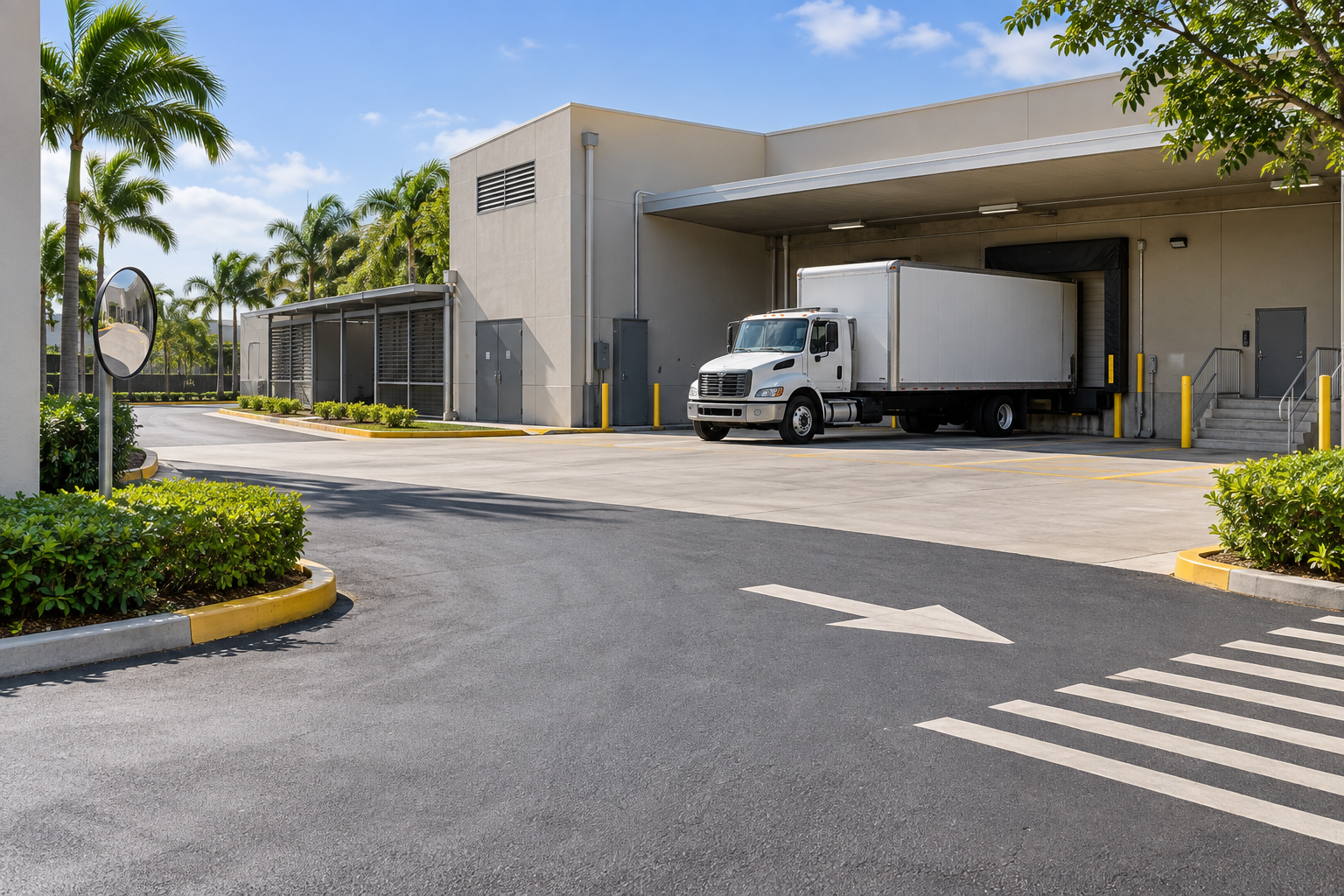
The fourth quarter brings a massive influx of holiday inventory to retail centers and industrial parks across Oahu. Delivery drivers navigate tight loading docks and busy warehouse receiving bays. When commercial landscaping is not managed with heavy vehicle access in mind, it creates immediate operational friction. Overgrown vegetation blocks driver sightlines. Irrigation overspray makes concrete loading ramps dangerously slippery. Landscape maintenance crews blocking active delivery lanes cause costly logistical delays.
Pacific Island Landscape provides commercial grounds management that prioritizes facility operations. We understand that your property must function efficiently above all else. We address vegetation conflicts around delivery routes without treating the landscaping merely as traffic control. We keep the property looking professional while ensuring your supply chain keeps moving. This guide explains how to identify landscape access conflicts and optimize your commercial property ahead of the peak inventory season.
The Logistical Cost of Overgrown Vegetation
Large semi-trucks and commercial delivery vans require strict clearance margins. When perimeter hedges overgrow their designated boundaries, they physically encroach on the turning radius required for heavy vehicles. A driver attempting to avoid scratching their truck on an overgrown Naupaka hedge might hit a concrete bollard or a retaining wall instead. Low-hanging tree branches scrape across the tops of delivery trailers, causing physical damage to the vehicle and the canopy.
Furthermore, dense vegetation blocking driver sightlines creates severe safety hazards. Delivery drivers must see pedestrian crossings, employee walkways, and oncoming warehouse traffic clearly. Waiting for a blind corner to clear slows down the entire receiving process.
Our crews execute precise structural pruning along all primary commercial access routes. We elevate tree canopies to provide the required vertical clearance for commercial box trucks. We shear hedges back to their intended architectural boundaries. This strategic pruning restores the necessary turning radius. It keeps your loading zones functioning efficiently without sacrificing the visual appeal of the property.
Mitigating Irrigation Overspray on Loading Ramps
Water management directly impacts loading zone safety. Many industrial properties utilize standard overhead sprinklers near their shipping docks. High trade winds frequently blow this irrigation spray directly onto the concrete loading ramps and asphalt staging areas.
Wet concrete becomes highly dangerous for warehouse employees operating forklifts and heavy pallet jacks. Water-slicked ramps cause slips and falls. This exposes the property owner to worker compensation claims and premise liability lawsuits. Additionally, wet shipping boxes degrade immediately, ruining expensive inventory before it ever enters the building.
We audit your commercial irrigation zones to eliminate this overspray completely. We transition vulnerable areas from overhead spray heads to subsurface drip irrigation. This method delivers hydration directly to the root zone of the plant without wetting the adjacent hardscape. If overhead spray is strictly necessary, we install high-efficiency nozzles that resist wind drift. We ensure your loading docks remain completely dry and safe during normal business hours.
Managing Debris and Plant Litter
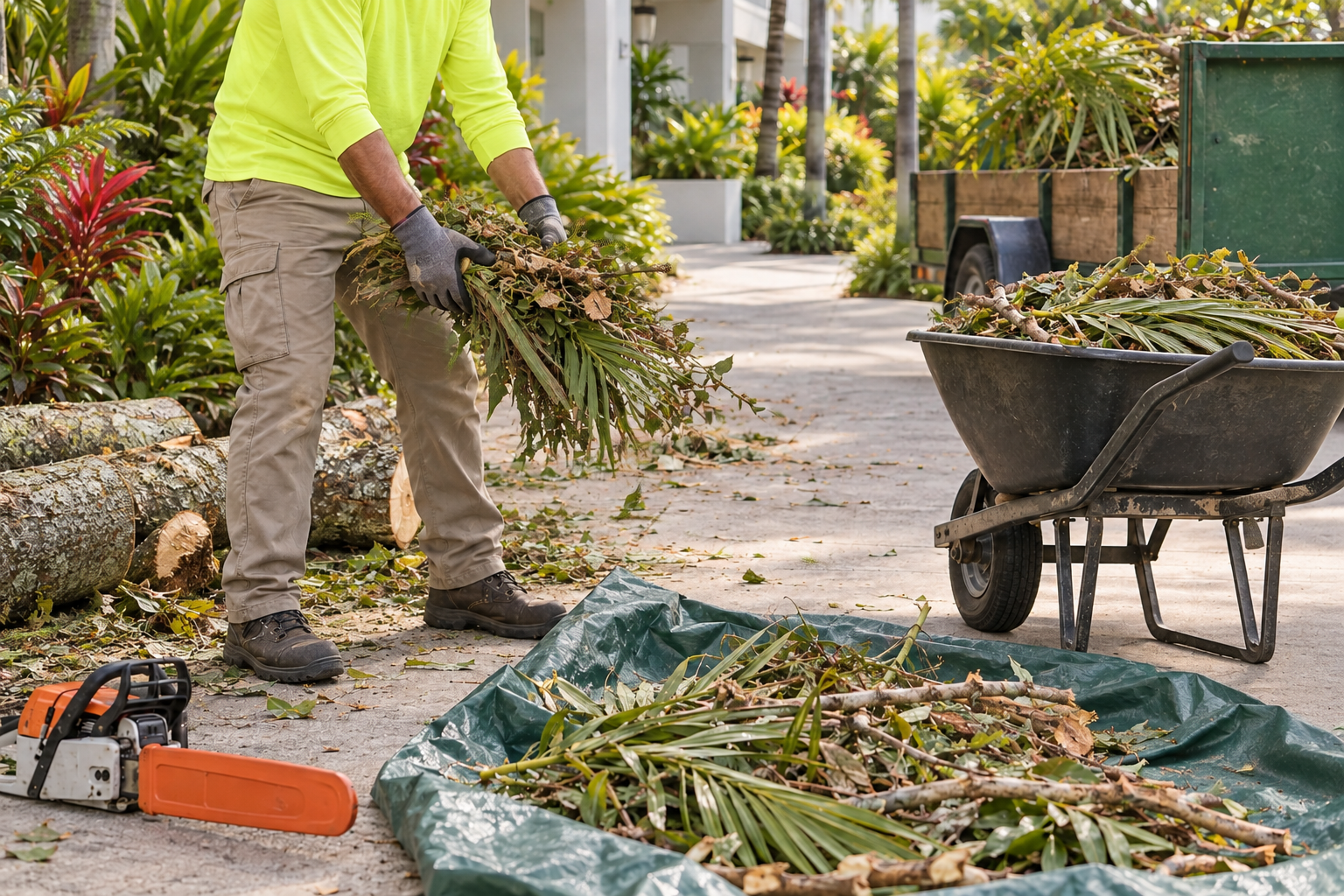
Certain botanical species drop massive amounts of organic debris. When planted near a commercial loading zone, trees that shed large seed pods, heavy leaves, or sticky sap create daily operational hazards. Forklifts crush fallen seed pods, creating a slippery paste on the asphalt. Wet palm fronds blowing into delivery lanes force trucks to stop and wait for the path to clear.
Pacific Island Landscape addresses this debris actively. We schedule high-frequency sweeping and debris removal specifically for industrial access roads and retail loading docks. We identify tree species that create excessive litter. We then implement targeted pruning schedules to minimize the drop volume during peak delivery periods.
If a specific tree is causing chronic operational failure, we recommend strategic removal. We replace the problematic tree with a cleaner architectural specimen sourced from our private nursery in Kapolei. This prevents organic debris from disrupting your daily receiving schedule while maintaining municipal green space requirements.
Scheduling Access-Aware Maintenance
The presence of the landscape maintenance crew itself should never become a logistical obstacle. Standard landscape vendors often park their large trucks and trailers directly in commercial fire lanes or loading zones. They stretch long hoses and power cords across active delivery paths. This forces delivery drivers to wait, compounding delays across the supply chain.
Our operational approach prioritizes your facility access. We collaborate directly with your property manager to understand your peak delivery windows. We schedule our maintenance routes to avoid your loading docks completely during those critical hours.
Our crews utilize designated parking areas. We deploy our equipment efficiently to ensure we never block an active commercial driveway. We provide proactive commercial landscape maintenance that supports your operations rather than fighting against them.
Balancing Industrial Function with Aesthetics
Resolving loading zone conflicts does not mean stripping the property to bare concrete. Industrial parks and retail centers still require professional curb appeal. Landscaping softens the harsh angles of massive warehouse buildings. It provides necessary shade for employee break areas. It helps commercial properties meet local environmental regulations.
We balance heavy industrial function with high-end aesthetics. We select tough, drought-tolerant plant species for traffic islands and perimeter boundaries. These plants withstand the elevated heat radiating from expansive asphalt parking lots. They require less frequent pruning, reducing the need for maintenance crews to occupy the space. We utilize durable botanical material perfectly suited for Oahu's industrial environments.
| Operational Conflict | Landscape Cause | Pacific Island Landscape Solution |
|---|---|---|
| Restricted Turning Radius | Overgrown perimeter hedges encroaching on asphalt | Shear vegetation to strict architectural boundaries |
| Trailer Damage | Low-hanging tree canopies blocking vertical clearance | Perform structural canopy elevation for box trucks |
| Slippery Loading Ramps | Irrigation overspray blown onto concrete by trade winds | Install subsurface drip lines and wind-resistant nozzles |
| Forklift Hazards | Excessive organic plant litter on delivery paths | Schedule high-frequency sweeping and debris removal |
| Blocked Access | Vendor trucks parked in active delivery lanes | Implement access-aware scheduling away from peak hours |
Optimize Your Commercial Property Access
Do not allow overgrown vegetation to slow your inventory pipeline. Your retail center or industrial park requires a landscape contractor that understands heavy commercial logistics. You need a partner who prioritizes safety and access.
Pacific Island Landscape holds Hawaii contractor license CT-35972. We possess the internal infrastructure to manage massive commercial properties without disrupting daily business operations. We invite industrial property managers, retail asset directors, and facilities teams to schedule an operational site audit. Please submit your property details through our contact page. Our estimating team will review your requirements and design a maintenance scope that keeps your loading zones clear and efficient.
.svg)