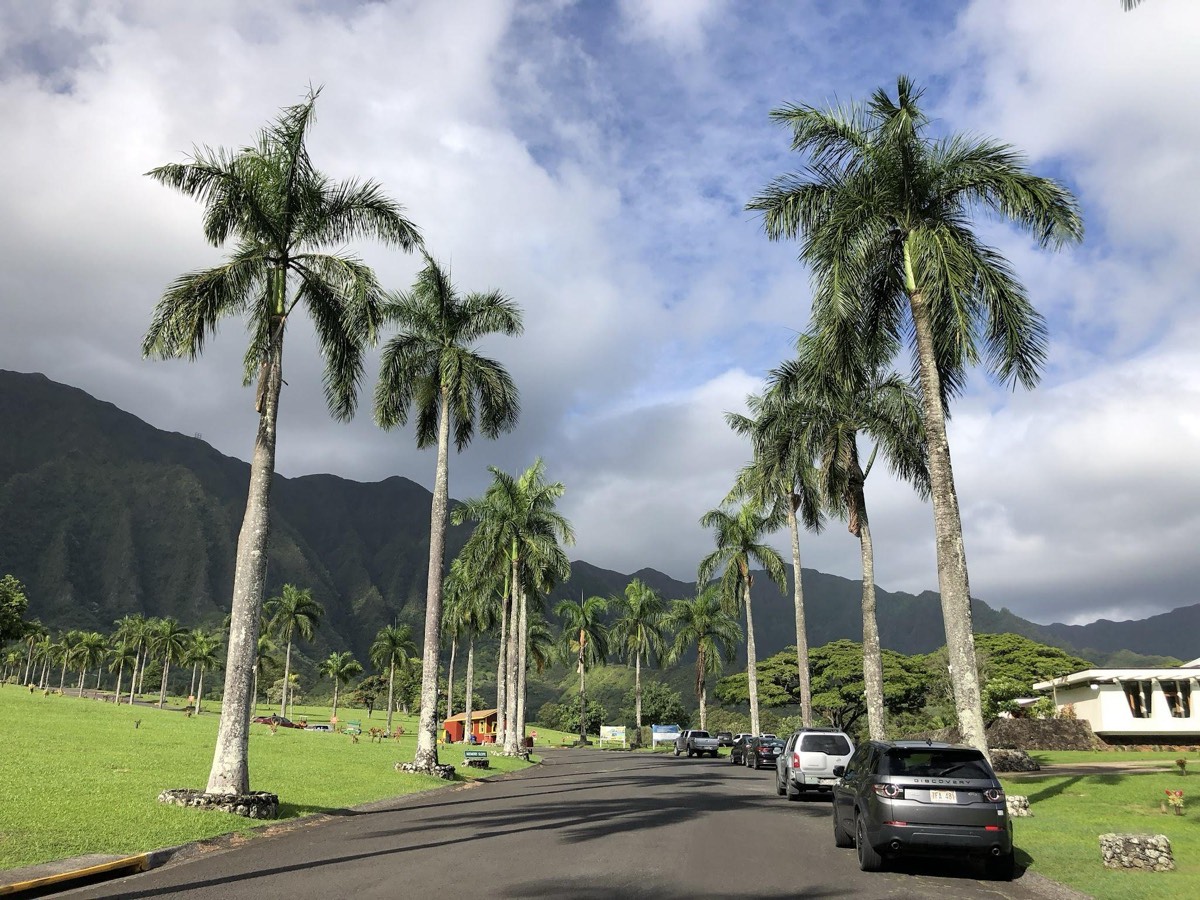
In Hawaii, yard cleanup isn't limited to spring and fall. Warm temperatures support year-round plant growth, seasonal rainfall can accelerate overgrowth, and tropical weather can leave branches, palm fronds, and other landscape debris scattered across a property.
For commercial properties on Oahu, these conditions make regular landscape care particularly important. Overgrown planting areas can obstruct walkways, accumulated debris can interfere with drainage, and neglected vegetation can affect the appearance of entrances and other frequently used outdoor spaces.
At Pacific Island Landscape, we provide commercial landscape maintenance, debris removal, and plant health services on Oahu. We help businesses address the outdoor maintenance needs that come with Hawaii's climate.
This guide explains what seasonal yard cleanup involves, when different tasks deserve attention, what affects cleanup costs, and how property managers can plan for year-round upkeep.
What Does Seasonal Yard Cleanup Include in Hawaii?
Seasonal yard cleanup involves removing accumulated landscape debris, managing excessive plant growth, and addressing conditions that affect a property's appearance or maintenance needs. Unlike a routine mowing visit, a more extensive cleanup may involve several tasks that have built up over time.
Clearing landscape debris and green waste
Palm fronds, fallen branches, leaves, and plant clippings can accumulate around commercial properties, particularly after heavy rain or windy conditions. Removing these materials helps keep landscaped areas orderly and makes it easier to identify drainage concerns, damaged plants, or neglected planting beds.
Our landscape debris and waste removal services cover materials such as branches, clippings, stumps, soil, and sod. Debris management is particularly relevant for properties with mature tropical plants or extensive landscaped areas. Green waste should be handled with attention to local disposal requirements and invasive pest risks.

Managing overgrowth and weeds
Hawaii's growing conditions can allow vegetation to spread throughout the year, although growth rates depend on rainfall, plant type, and the property's location. Common cleanup priorities include cutting back vegetation extending into walkways or parking areas, managing weeds in landscape beds, removing dead plant material, and restoring access around fixtures.
For commercial properties, the goal is not simply to make plants smaller. Pruning and vegetation management should account for plant health, intended shape, and how people use the surrounding space.
Checking drainage and irrigation conditions
Heavy rain can reveal problems that remain unnoticed during drier weather. Soil may wash into paved areas, debris can accumulate around drainage openings, and runoff may expose poorly graded or eroded sections of a landscape.
During cleanup planning, property managers should look for standing water, sediment buildup, blocked surface drains, and visible irrigation damage. We offer landscape installation services that include irrigation systems and drainage. Where a cleanup reveals problems beyond routine debris removal, those issues may require a separate landscape improvement.
Identifying plant health and pest concerns
Cleanup also creates an opportunity to examine plants hidden by dense growth. Yellowing leaves, unusual spots, dieback, and damaged palm fronds may indicate pests, disease, environmental stress, or a combination. Appearance alone is not enough to diagnose the cause.
Our plant health services include insect management and disease control, along with specialized coconut rhinoceros beetle treatment for affected palms.
When Is the Best Time for Seasonal Yard Cleanup in Hawaii?
Hawaii generally has a wetter season from November through April and a drier season from May through October. Rainfall varies substantially across Oahu: windward locations often receive more rain than leeward areas, so properties on opposite sides of the island can have different maintenance needs. The National Weather Service Hawaii climate overview explains how trade winds, terrain, and seasonal storms influence rainfall.
Seasonal yard cleanup calendar for Oahu
- November–March: Remove accumulated debris, monitor drainage, and manage growth during wetter conditions.
- April–May: Address rain-related growth, check plant health, and assess erosion after the wetter months.
- June–September: Monitor dry areas, remove dead vegetation, and maintain access around planting beds.
- October–November: Review drainage, remove loose debris, and assess vegetation ahead of wetter weather.
This calendar is a planning guide, not a fixed service schedule. Shaded, densely planted properties may need a different frequency from exposed commercial sites with turf and drought-tolerant planting.
Preparing landscapes for hurricane season
The Central Pacific hurricane season runs from June 1 through November 30. Landscape preparation should begin before severe weather is forecast. Remove loose plant debris, check accessible drainage openings, and identify unstable or damaged trees for assessment by qualified tree-care professionals.
Outdoor furnishings and other movable items may also need to be secured under a property's storm preparation plan. Landscape cleanup is one part of readiness, not a substitute for a broader emergency plan or a professional assessment of hazardous trees.
After heavy rain or strong winds
An additional cleanup may be appropriate when weather leaves substantial debris or changes the landscape. Before work begins, check for fallen electrical lines, unstable limbs, damaged structures, and unsafe ground conditions. These hazards require specialist or emergency attention. Once the site is safe, cleanup can focus on removing debris, identifying erosion, and assessing planting areas.
How Much Does Seasonal Yard Cleanup Cost in Hawaii?
Cleanup costs depend on property size, condition, debris volume, accessibility, and the type of work required. The difference between a routine cleanup and a property neglected for months can be substantial.
General cleanup price ranges
The original planning estimates for basic one-time cleanup in Honolulu County are: small yards under 5,000 sq. ft., $300–$600; medium properties of 5,000–10,000 sq. ft., $600–$1,200; and large properties over 10,000 sq. ft., starting at $1,200.
These are general planning estimates, not our published rates or guaranteed prices. They should not be treated as commercial property quotes. Larger sites may involve different staffing, equipment, disposal needs, and maintenance expectations. A property-specific estimate is the more useful basis for budgeting.
What affects the final cleanup price?
Property size and layout: A site with narrow access, steep slopes, or extensive planting beds can take longer to maintain than an accessible landscape of similar size.
Overgrowth severity: Vegetation that has grown unchecked may need more extensive attention than a regularly maintained area.
Debris volume and disposal: Large amounts of branches, fronds, and green waste increase the material that needs handling and may call for particular disposal practices.
Plant pests or disease: Routine cleanup differs from managing an infestation or diagnosed disease, which may require specialized work.
Maintenance frequency: Recurring maintenance can limit the buildup of debris and overgrowth, although the price depends on service scope.
Coconut Rhinoceros Beetles: An Important Concern During Oahu Yard Cleanup
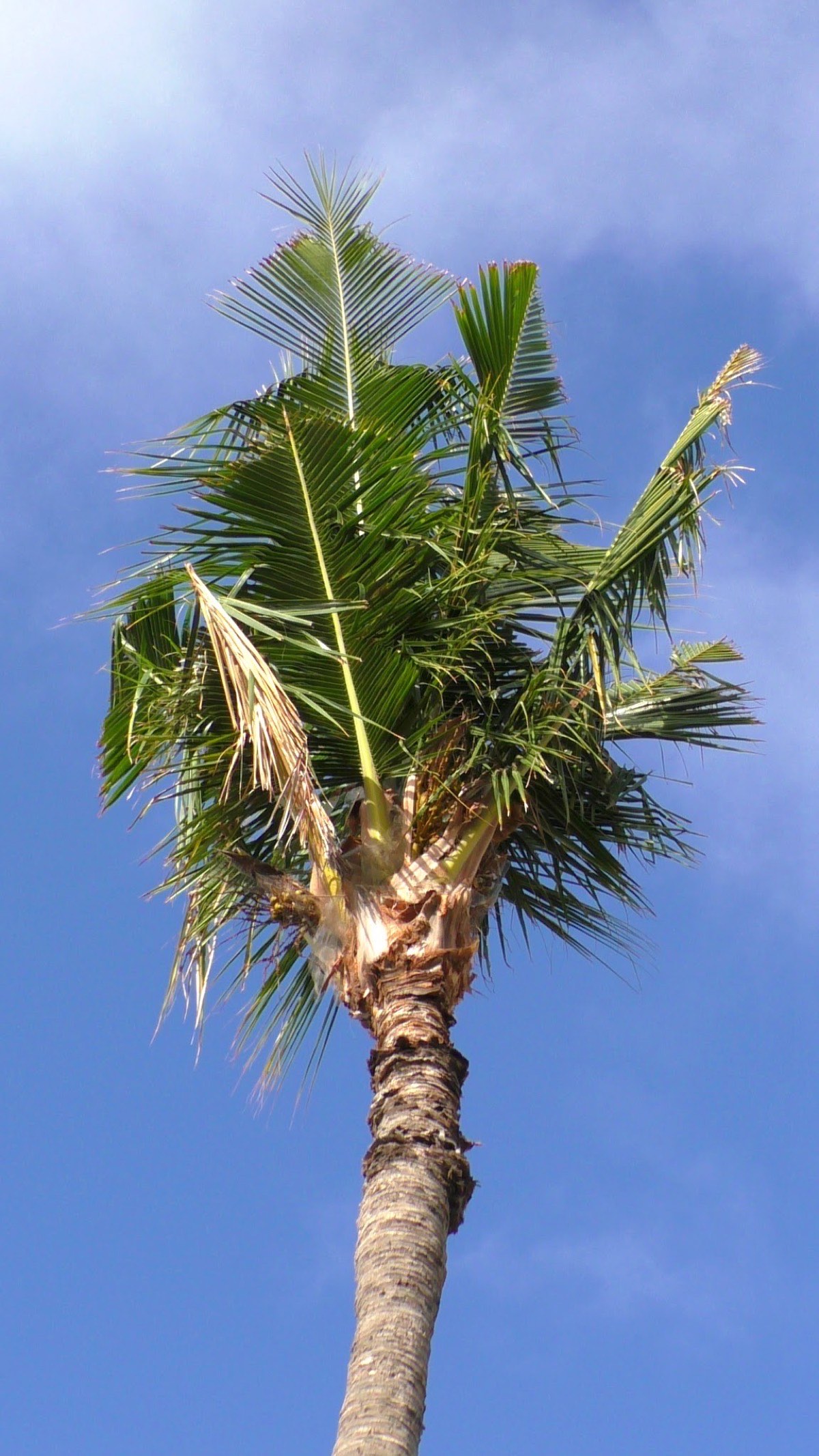
Coconut rhinoceros beetles (CRB) are a serious landscape management concern, especially for properties with palms. First detected on Oahu in December 2013, these invasive beetles bore into palm crowns and feed on developing tissue. Possible visible signs include V-shaped cuts in emerging fronds and holes along the leaf midrib. Such signs warrant assessment rather than an automatic diagnosis.
Why green waste management matters
CRB larvae can develop in decomposing organic material, including unmanaged mulch, compost, rotting plant debris, and stumps. A property can look maintained while still containing organic material that provides potential breeding conditions.
Avoid unmanaged green-waste piles, inspect palms for unusual frond damage, and follow official movement and disposal guidance for potentially infested materials. Suspected beetles or damage can be reported through the state's 643-PEST system.
How we help with CRB treatment
At Pacific Island Landscape, we offer CRB treatment using injection and soil-drenching methods. Treatment selection depends on palm condition and pest management requirements.
No method should be assumed to eliminate the problem permanently. Managing possible breeding materials is important alongside palm treatment.
Choosing a Seasonal Yard Cleanup Service on Oahu
Commercial property managers should evaluate more than the price of a visit. The work included contractor qualifications, and the green-waste plan all matter.
Questions to ask before hiring
- What does cleanup include? Clarify vegetation management, plant debris, weeds, disposal, and any tasks treated as separate services.
- How will green waste be handled? Ask where material goes and how potentially infested waste is managed.
- Is ongoing landscape maintenance available? A recurring arrangement may suit a site that repeatedly becomes overgrown.
- Can the contractor address plant health concerns? Determine whether pest or disease services are available or a specialist is required.
- Are necessary qualifications in place? Hawaii's contractor licensing requirements depend on project scope. The Department of Commerce and Consumer Affairs identifies a $1,500 labor-and-materials threshold and applicable permit requirements. Verify a contractor's status before hiring.
Why commercial landscape experience matters
A retail center has different landscape priorities from an industrial park or hotel. Entrances, pedestrian routes, parking areas, and shared planting beds affect the maintenance plan. We focus on commercial landscapes on Oahu and offer landscape maintenance, debris removal, plant health management, and landscape installation.
Keeping Commercial Landscapes Maintained Between Cleanups
A seasonal cleanup addresses accumulated work but does not replace regular attention. The most useful maintenance approach reflects actual property conditions.
Routine inspection checklist
Between visits, check entrances and parking edges for encroaching vegetation; look for blocked surface drains and standing water; identify fallen branches and palm fronds; monitor weeds; inspect plants for discoloration or insect damage; note visible irrigation leaks; and record issues needing professional attention.
This checklist does not replace a professional assessment of hazardous trees, serious drainage failures, or spreading plant disease.
Adjust maintenance to the property's conditions
Windward sites with frequent rainfall may need closer monitoring for growth. Drier leeward landscapes may need more attention to irrigation and plant stress. Coastal properties also face salt exposure. Maintenance frequency should reflect these conditions, rather than one fixed schedule for every property.
Know when cleanup becomes an improvement project
Repeated sediment buildup after rain may point to a drainage or grading problem rather than a cleanup problem. Planting areas that repeatedly deteriorate may benefit from changes to irrigation, plant selection, or design. We offer installation services involving drainage and irrigation, together with customized softscape and hardscape work.
Choosing Plants That Reduce Future Maintenance Needs
After extensive cleanup, it may be worth reconsidering plants that routinely create maintenance problems. Plant suitability depends on sun, water, soil, mature size, and use of the space.
Naupaka (Scaevola taccada) may suit coastal hedges where there is room for its mature growth. ʻAʻaliʻi (Dodonaea viscosa) can suit some drier exposed sites. Kou (Cordia subcordata) can provide ornamental planting or shade where space permits. Hala (Pandanus tectorius) may work in larger coastal settings, but mature size, roots, and fallen material deserve consideration.
Native plants are not automatically maintenance-free. Establishment watering, pruning, and monitoring may still be required. The right plant in the right place is more useful than assuming one species will perform well across every Oahu microclimate.
One-Time Cleanup or Ongoing Landscape Maintenance?
A one-time cleanup addresses a particular accumulation of debris or overgrowth. Ongoing maintenance helps manage growth and debris over time, creating opportunities to notice developing problems. An initial cleanup can be followed by recurring service where suitable.
We offer maintenance packages intended to support the appearance, health, and cleanliness of commercial outdoor spaces.
Plan Your Oahu Property's Seasonal Landscape Cleanup
A useful cleanup plan starts with the property rather than simply the time of year. Evaluate overgrowth, debris, drainage concerns, and plant health against local weather and site conditions.
At Pacific Island Landscape, we provide commercial landscape maintenance, debris removal, and related plant care for office buildings, shopping centers, industrial parks, and hotels on Oahu. Whether your property needs attention to accumulated debris or more consistent maintenance, we can discuss services that fit your needs.
Request a landscaping estimate or call (808) 347-4462 to discuss your commercial property's landscape maintenance needs.