.svg)
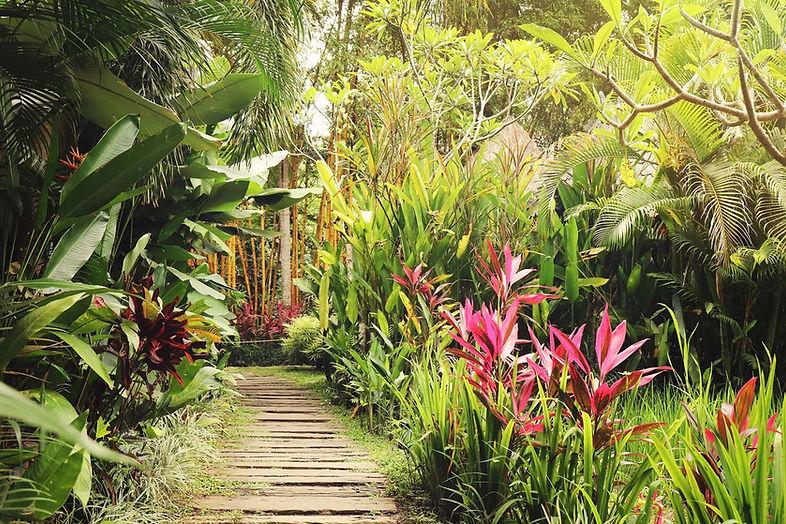
Landscape work can compete with building repairs and paving for limited association funds. An HOA board may recognize that an irrigation system needs attention or that an entrance looks dated, yet still be unable to fund every improvement in one budget cycle. A phased landscape plan gives the board a way to organize the work without treating every need as an immediate replacement project.
The goal is not to divide one large proposal into arbitrary installments. A useful plan begins with current conditions. It separates routine maintenance from capital work and establishes a sequence based on the property. The board can then review each phase before authorizing the next one.
For boards researching HOA landscape maintenance on Oahu, the distinction between recurring service and long-term improvement is especially important. Pacific Island Landscape LLC provides commercial landscaping and maintenance services on Oahu. Our listed capabilities include landscape installation and irrigation setup. Drainage work is also included among our installation services. We provide softscape or hardscape landscaping based on the approved project scope.
A phased budget connects landscape priorities with the association's available funding.
Start With Existing Site Conditions
Boards need a documented starting point before discussing phases. The review should distinguish visible appearance concerns from conditions that affect future work. A dry planting bed, for example, may result from the plant selection. It could also point to an irrigation problem or compacted soil. Replacing the plants without identifying the cause can lead to another avoidable expense.
The assessment should record the condition of irrigation zones and exposed components. Existing plant material should be reviewed for its location and size. Its compatibility with surrounding improvements also matters. The board should document drainage concerns and areas where roots are affecting nearby surfaces. Photos can help community managers compare the same locations over time.
Available site plans and utility information should be reviewed. Association records may provide additional context. Work near easements or buried utilities may require additional coordination. Projects involving drainage, walls, lighting, or accessible routes may also need professional review before construction. Permit and code requirements should be confirmed for the actual scope rather than assumed during preliminary budgeting.
Separate Maintenance From Capital Improvements
Routine landscape maintenance and one-time improvements serve different purposes. Maintenance supports the ongoing condition of an existing landscape. A capital project changes or replaces a larger component of the property. Keeping those categories separate makes commercial landscaping budgets easier to explain to homeowners.
If the association uses a reserve study, the board can review whether major landscape components are addressed in it. Funding treatment depends on the association's governing documents and financial practices. The community manager or reserve specialist can help determine how proposed work should be classified. Legal or accounting guidance may be appropriate when the treatment is unclear.
| Budget category | Typical purpose | Planning question |
|---|---|---|
| Recurring maintenance | Preserve existing landscape areas under an approved service scope | What work belongs in the operating budget? |
| Corrective work | Address an identified problem before broader improvements proceed | Is the condition isolated or part of a larger system issue? |
| Capital improvement | Replace or redesign a substantial landscape component | Should the project be coordinated with the reserve plan? |
| Contingency | Provide room for conditions discovered after work begins | What assumptions could change once the site is opened or tested? |
Phase 1: Review Water and Drainage Conditions
Landscape upgrades depend on how water moves through the property. Before approving new planting, the board should understand the condition of the existing irrigation system and any known drainage concerns. The required work will vary by property. Some sites may need an adjustment or targeted repair. Others may require a separately scoped installation project.
An irrigation review should consider whether each zone serves its intended planting area. Overspray onto pavement should be documented. Uneven coverage and visible leaks should also be recorded. Controller settings need to reflect the actual site and the approved plant palette. Any recommendation for new equipment should identify the specific problem it is intended to address.
Drainage deserves separate attention because irrigation changes can affect runoff patterns. Low areas should be observed after rainfall when possible. Downspouts and paved surfaces may direct water into planting beds that cannot drain efficiently. If the proposed work changes grading or drainage infrastructure, the association should obtain the appropriate technical review before approving construction.
Pacific Island Landscape lists irrigation setup and drainage among its installation services. Equipment selection should respond to the property's documented conditions. The approved proposal should define the final scope and expected outcomes.
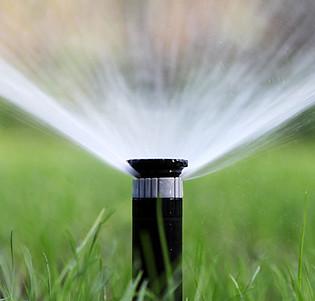
Installation planning should begin with verified site conditions and an approved scope.
Phase 2: Prepare Soil and Planting Areas
Plant performance depends partly on the conditions below the surface. Compaction can limit the movement of water and air through the root zone. Poor drainage can keep roots wet for extended periods. Soil texture and pH may also influence which plants are appropriate for a specific location.
Boards should avoid approving a single amendment specification for the entire property without supporting information. Conditions can differ between an entrance and an interior courtyard. A planting strip beside a parking area may present different challenges. Testing or field evaluation can help the project team determine whether the soil needs amendment or whether the plant selection should change.
Existing roots must be considered during bed preparation. Excavation near established trees can affect root systems, while adding soil over roots can also cause stress. Any work near significant trees should be scoped for the actual site. The proposal should state whether existing plants will remain and how they will be protected during installation.
Phase 3: Prioritize High-Visibility Areas
Once underlying conditions have been evaluated, the board can prioritize the areas that have the greatest community use or visibility. Entrance landscaping is often a logical starting point because the work is contained and easy for residents to understand. A clubhouse or shared recreation area may take priority when it receives more daily use.
Plant availability should be reviewed before the design is finalized. Pacific Island Landscape LLC's private landscape nursery in Kapolei can reduce dependence on off-island sourcing for nursery material that is available locally. It also gives the project team a way to coordinate the design with current stock. Availability will still depend on the required species and quantities. The installation schedule also affects what can be supplied.
Where the available nursery stock matches the approved design, mature or large-format plants can provide more visual scale at installation than smaller material. Nursery access does not mean every requested item will be available. Plant sizes and quantities need to be confirmed in the proposal for each phase.

Nursery availability can help determine feasible plant sizes and installation timing.
Phase 4: Address Remaining Common Areas
After the priority areas are complete, the board can apply the same planning method to the remaining common landscape. Phasing may be organized by location or by a defined type of work. The right structure depends on site access and available funding. It should also account for how the different systems interact.
Each new phase should begin with a review of the work already completed. The board can compare the approved scope with current site conditions before extending the design elsewhere. If a plant did not perform as expected, the reason should be investigated before the same selection is repeated. If irrigation adjustments were effective in one location, the project team can determine whether the same approach is appropriate in the next area.
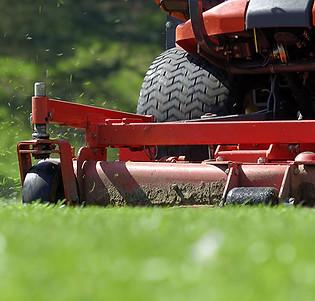
Recurring maintenance should be budgeted separately from phased improvement work.
Build an Annual Decision Process
A phased plan should be reviewed during each budget cycle. Prices can change, and site conditions may develop between phases. Nursery inventory may also change. Updating the scope before approval gives the board a more reliable basis for its decision.
The annual review should answer four questions:
- What work was completed during the previous phase?
- Have site conditions changed since the original assessment?
- Is the next phase still the association's highest landscape priority?
- Does the current proposal match the funds authorized for the project?
Board records should identify the approved scope and any alternatives that were deferred. This creates a clear reference for future board members. It also helps the community manager distinguish planned work from new requests that arise during the year.
Plan the Next Landscape Phase
A workable HOA landscape budget begins with the property, not a predetermined timeline. The board should document existing conditions and define what belongs in maintenance. Larger improvements can then be organized into phases that reflect available funding.
Pacific Island Landscape LLC provides commercial landscaping and maintenance on Oahu. Our current service information includes installation and recurring maintenance. We also offer customized landscaping based on the approved scope. Low-voltage landscape lighting and debris removal are available services. Our website lists Hawaiʻi contractor license CT-35972.
If your association is evaluating a landscape project, visit Pacific Island Landscape LLC to review our services and request an estimate. The proposal can then be evaluated against the association's priorities and approved budget.

.svg)